 Sunvim Motor
Sunvim Motor
Sunvim Motor
In the evolving landscape of global industrial automation, the Cooling IC411 designation—referring to Totally Enclosed Fan Cooled (TEFC) mechanisms—has become a cornerstone for operational reliability. As a Senior SEO Growth Director and industry researcher, I’ve observed that procurement search intent for IC411 is shifting from "simple price comparisons" to "complex thermal performance and lifecycle ROI analysis."
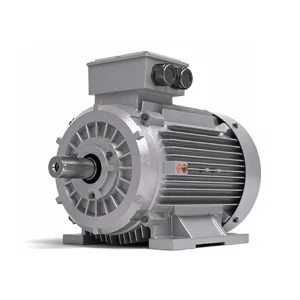
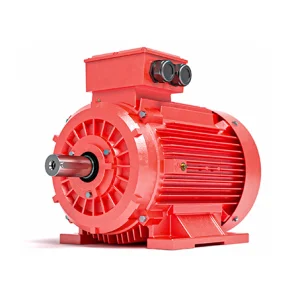
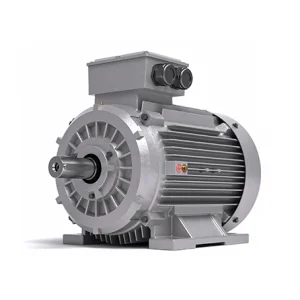
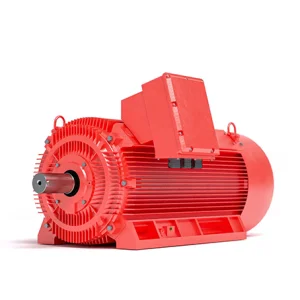
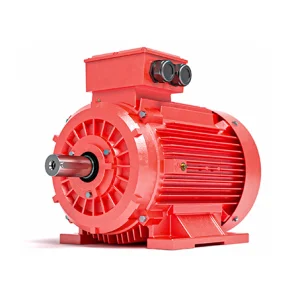
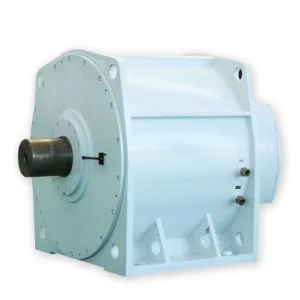
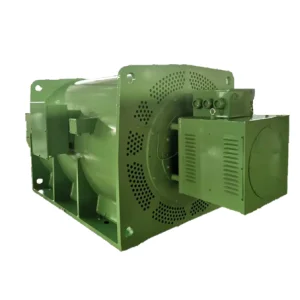
IC411 motors are engineered for harsh environments where dust, moisture, and corrosive agents are prevalent, providing IP55 protection or higher.
Optimized for IE3, IE4, and the emerging IE5 standards, these cooling systems ensure minimal thermal loss and maximum power density.
Internal and external air circulation prevents localized hotspots, extending winding insulation life by up to 40% compared to IC01 designs.
Today's global procurement demand is driven by the Decarbonization Era. Enterprises are no longer just buying a motor; they are investing in a system that reduces Scope 2 emissions while maintaining peak uptime in sectors like mining, chemical processing, and desalination.
Founded in 1963, Shandong Sunvim Motor Co., Ltd. has spent over six decades at the forefront of electric motor R&D. Our authority is built on consistent innovation and massive scale.
Year Established
RMB Capital Investment
Total Facility Area
Annual Production Capacity
From the Gaomi Electric Appliance Factory in 1963 to the Weifang Electric Machinery Factory in 1988, and finally the acquisition by the multi-billion RMB Sunvim Group in 2008, our trajectory has been one of continuous growth. In 2022, our new high-tech factory in the Sunvim Industrial Park marked our transition into Industry 4.0 manufacturing.
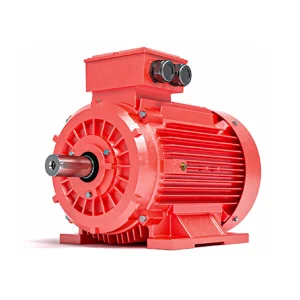
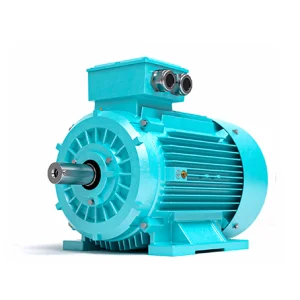
The cooling method IC411 (defined by IEC standards as internal circulation and external surface cooling by a shaft-mounted fan) is evolving. Our technical roadmap highlights several key trends for the 2024-2030 period:
Integration of high-conductivity thermal pastes and aerodynamic fan blade designs using carbon-reinforced polymers to reduce noise and increase airflow.
Equipping IC411 motors with IoT sensors to monitor internal temperatures in real-time, feeding data into predictive maintenance AI models.
Moving toward IE5 Synchronous Reluctance technology where the IC411 cooling frame is optimized for zero-rotor-loss operation.
Current industrial data shows a 15% Year-on-Year increase in demand for IC411-rated motors in the Asia-Pacific and EMEA regions. This is largely due to the retrofitting of aging power plants and the expansion of the green hydrogen sector, where explosion-proof (Ex d) IC411 motors are non-negotiable.
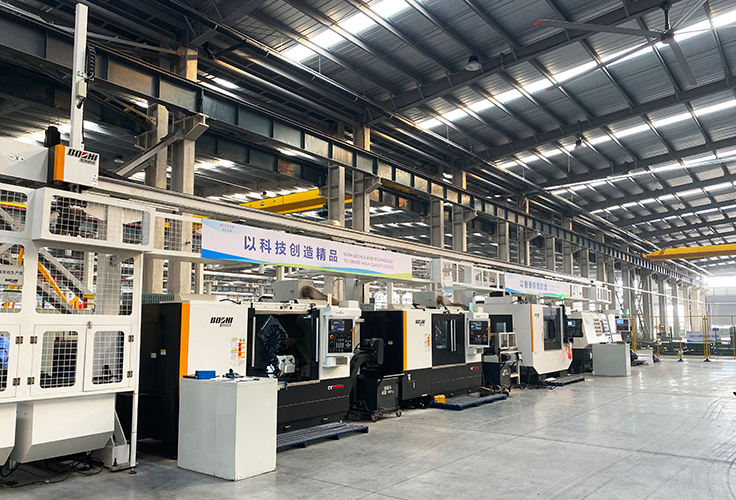
Operating in global markets requires more than just high-quality hardware. Sunvim Motor provides a comprehensive compliance framework to ensure seamless localization for our partners in Germany, Italy, Australia, and beyond.

ISO9001:2015
CE Certification

UKCA (UK Market)

UL Standard
SABS (South Africa)

CCS Marine
ABS Marine
DNV GL Marine

Mining Machinery

Metallurgy
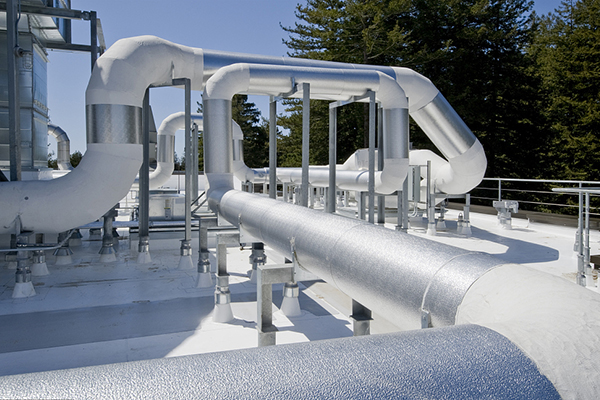
Ventilation Systems
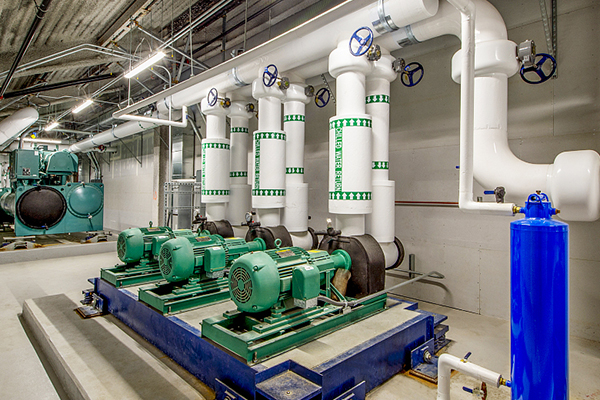
Agricultural Irrigation

Shipbuilding
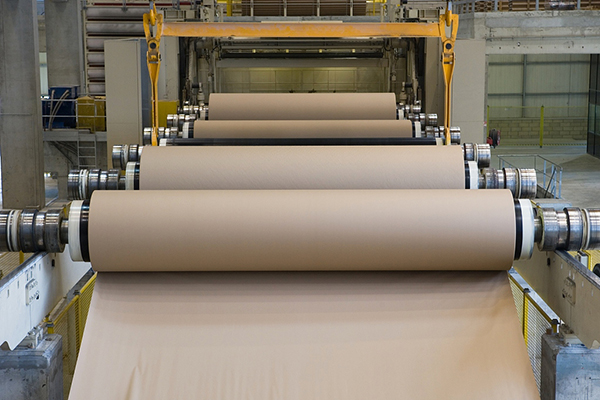
Pulp and Paper
Air Compressors

Chemical Plants
IC411 uses a fan mounted directly on the motor shaft, meaning cooling capacity is tied to motor speed. IC416 uses an independent, constant-speed motorized fan, which is ideal for VFD-driven motors operating at low speeds where shaft-mounted fans become inefficient.
Mining environments are characterized by high levels of abrasive dust. The "Totally Enclosed" nature of IC411 (TEFC) ensures that internal components are sealed from contaminants, while the external fan provides robust surface heat dissipation.
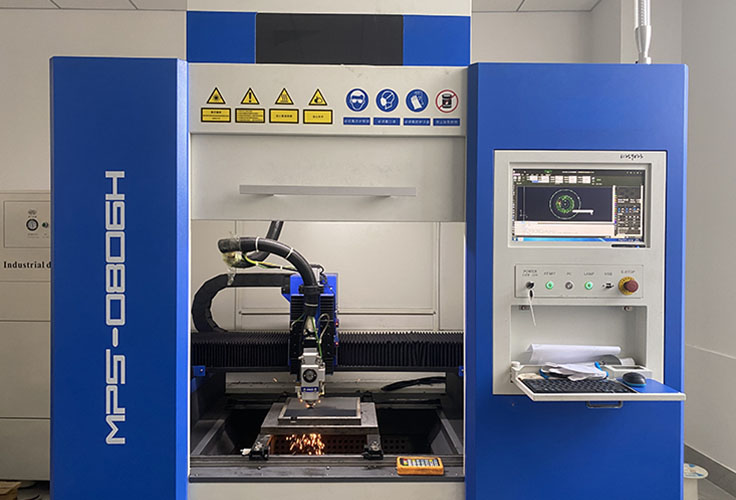
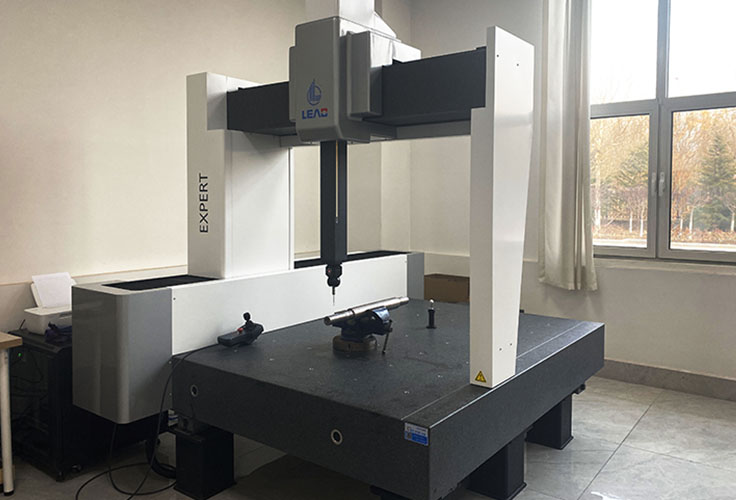
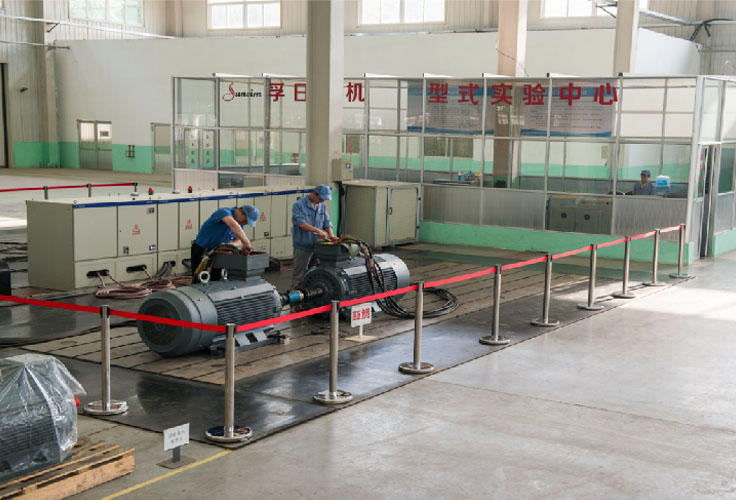
We utilize a full suite of precision testing, including 3D Coordinate Measuring Instruments and a dedicated Type Test Center. Every motor undergoes rigorous load testing to ensure thermal rise stays within Class B limits, even with Class F insulation.
Yes. By optimizing the internal aerodynamics and using premium electromagnetic steel laminations, Sunvim IC411 motors achieve IE4 (Super Premium) and IE5 (Ultra Premium) efficiency levels, significantly reducing total cost of ownership.