 Sunvim Motor
Sunvim Motor
Sunvim Motor
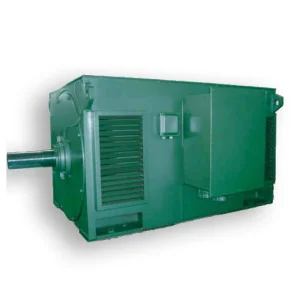
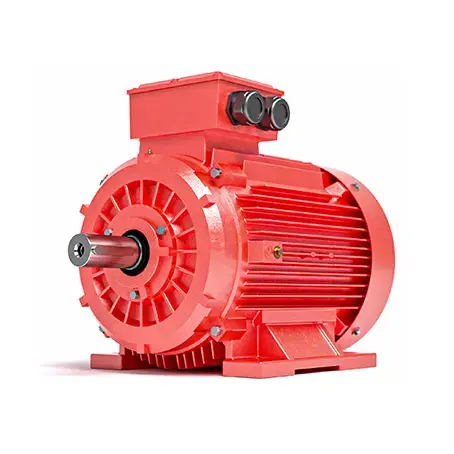
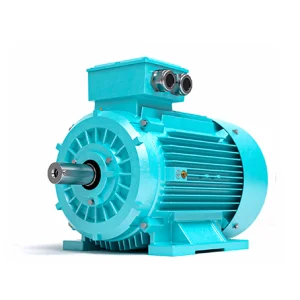
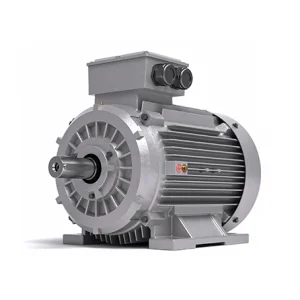
In modern industrial electro-mechanical engineering, thermal management is the primary factor limiting the continuous power density and overall operating life of high-voltage and low-voltage electric motors. For totally enclosed fan-cooled (TEFC) induction and synchronous machines, the external frame cooling structure—widely termed the motor rib or cooling fin array—serves as the critical heat exchanger. A well-designed rib architecture is crucial for maintaining the temperature rise of the stator windings within the safety margins defined by standard insulation classes (Class F and Class H).
The core thermal path inside an electric motor begins at the copper stator windings ($I^2R$ copper losses) and the stator core (hysteretic and eddy-current iron losses). This heat conducts radially outward through the stator lamination stack and the contact interface between the stator core and the housing frame. Once the heat reaches the housing frame, it is dissipated to the environment via forced convection driven by the external shaft-mounted fan.
Thermodynamic principles state that convective heat transfer ($Q$) is governed by Newton's Law of Cooling:
$Q = h \cdot A_s \cdot (T_{surface} - T_{ambient})$
Where $h$ represents the convective heat transfer coefficient, $A_s$ represents the total active external surface area, $T_{surface}$ is the average frame surface temperature, and $T_{ambient}$ is the temperature of the incoming air. Since the convective heat transfer coefficient $h$ is restricted by the velocity of the cooling air and the flow properties over the frame, increasing the effective surface area ($A_s$) via strategically engineered cooling ribs is the most effective way to maximize heat dissipation without enlarging the overall installation footprint of the motor.
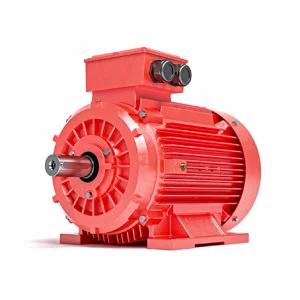
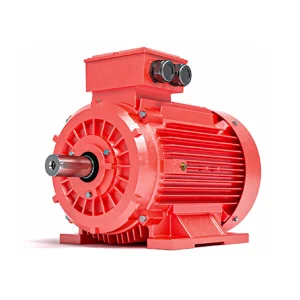
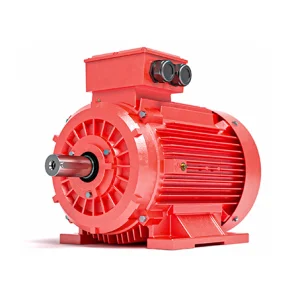
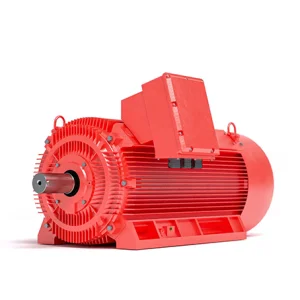
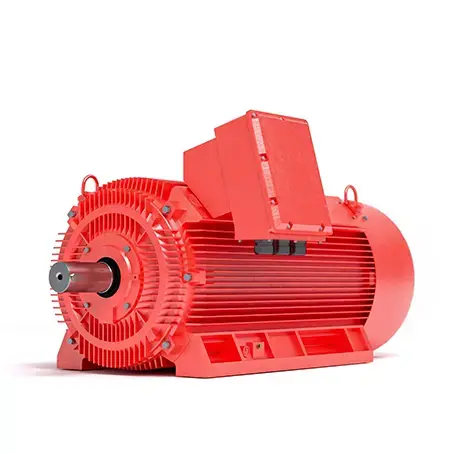
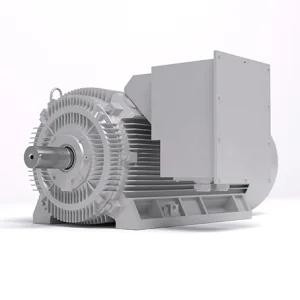
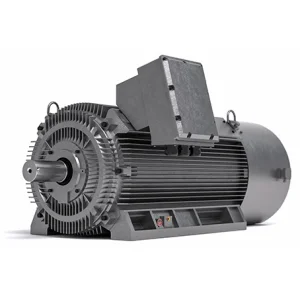
Traditional frame designs feature uniform, straight parallel ribs across the exterior shell. However, cutting-edge Computational Fluid Dynamics (CFD) models and thermodynamic testing at Shandong Sunvim have revealed that uniform rib distribution leads to thermal dead zones. Airflow velocity decreases drastically from the fan-facing end (drive/non-drive end) to the opposite side due to friction boundary layers and air shedding. To address this, modern high-efficiency motors, such as our Y2 rib-cooled series, use optimized tapered rib depths and variable spacing to ensure uniform heat extraction and prevent local thermal hot-spots.
The global demand for high-efficiency electric motors is growing rapidly, driven by strict regulatory standards and rising energy costs. Over the past decade, major industrial economies have transitioned from basic efficiency classes (IE1 and IE2) to premium and ultra-premium classes (IE3, IE4, and the latest IE5). These standards, regulated by IEC 60034-30-1, aim to significantly reduce global industrial carbon footprints, as electric motors consume over 45% of all global electricity.
| Efficiency Class | Typical Rotor Technology | Average Energy Loss Reduction | Primary Industrial Applications |
|---|---|---|---|
| IE1 (Standard Efficiency) | Standard Aluminum Die-cast Cage | Baseline Reference | Legacy installations, low-duty cycle fans, standard pumps. |
| IE2 (High Efficiency) | Improved Die-Cast Aluminum Cage | ~15% reduction vs IE1 | Variable-torque applications, regional markets with legacy rules. |
| IE3 (Premium Efficiency) | Copper Rotor / High-Grade Silicon Steel | ~30% reduction vs IE1 | Global standard for continuous operations, compressors, mining. |
| IE4 (Super Premium) | PM Synchronous / Hybrid Rotors | ~45% reduction vs IE1 | Chemical processing plants, deep mining conveyors, high-reliability HVAC. |
| IE5 (Ultra Premium) | Permanent Magnet (PMSM) / SynRM | >55% reduction vs IE1 | Precision automated manufacturing, eco-certified marine, wind power systems. |
In terms of regional demand, Europe and North America lead in the adoption of IE4 and IE5 technologies due to high electricity costs and strict government mandates. In developing economies, the transition focuses on replacing old, inefficient machines with durable IE3 solutions. In these markets, heavy-duty cast-iron rib-cooled motors are highly valued for their ability to withstand dust, high humidity, and erratic electrical grids.
Industrial operations in harsh environments, such as mining and offshore drilling, rely heavily on TEFC (Totally Enclosed Fan Cooled) structures with external cooling ribs. Alternative designs, like water-jacket cooled motors, offer excellent thermal performance but require a constant supply of clean cooling water and extensive plumbing networks. Rib-cooled motors, by contrast, offer a self-contained, highly reliable design. They only need ambient air and minor routine maintenance, making them the preferred choice for remote, critical operations worldwide.
Empowering global industries since 1963. Combining over 60 years of electro-mechanical expertise with advanced manufacturing systems to deliver robust, high-performance industrial motors.
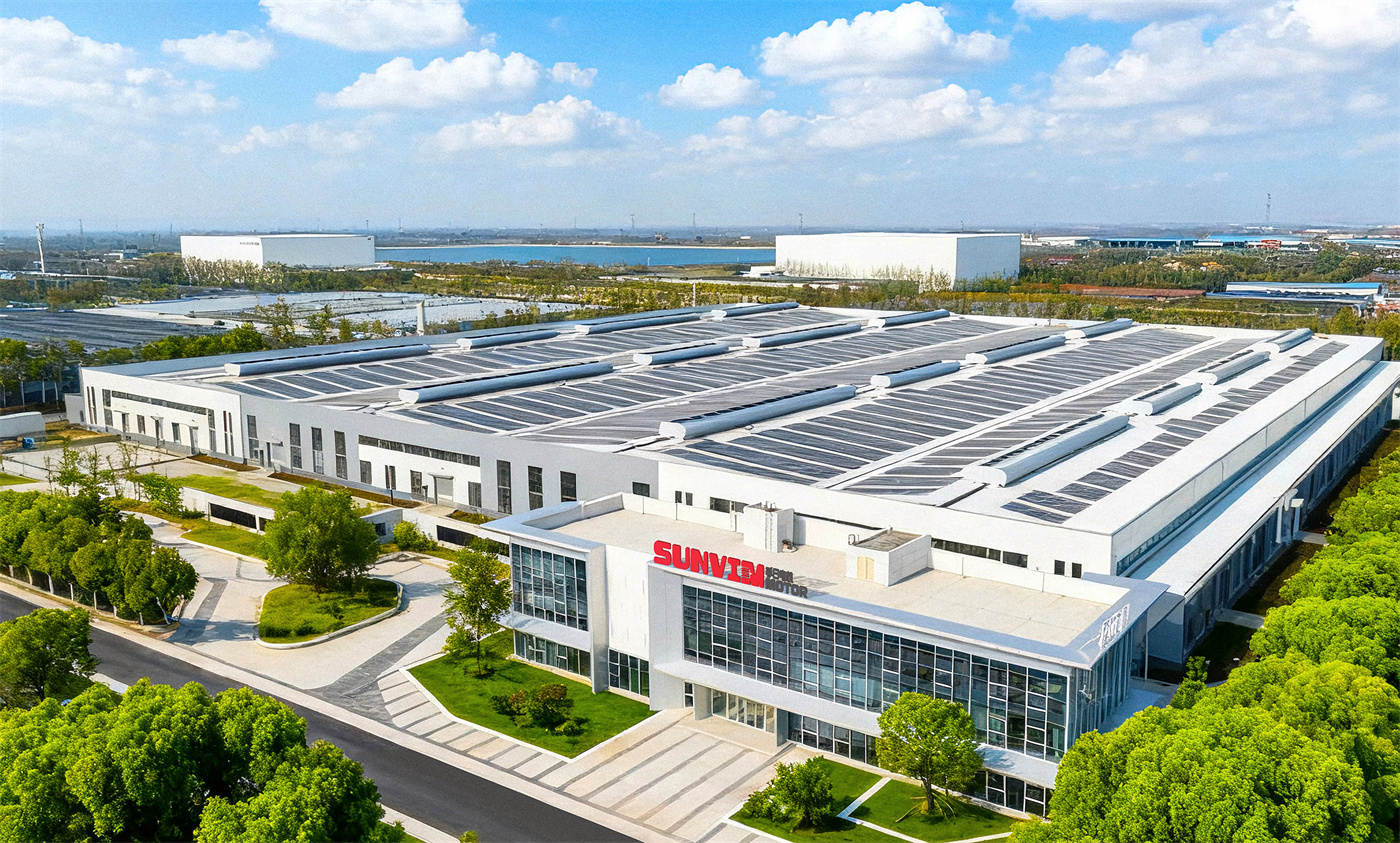
With over 60 years of deep-rooted expertise in electric motor research and manufacturing, Shandong Sunvim Motor Co., Ltd. represents the pinnacle of industrial innovation. Following a strategic corporate transformation in 2022, we have rapidly established a high-standard, modernized production ecosystem tailored for the future of global industry.
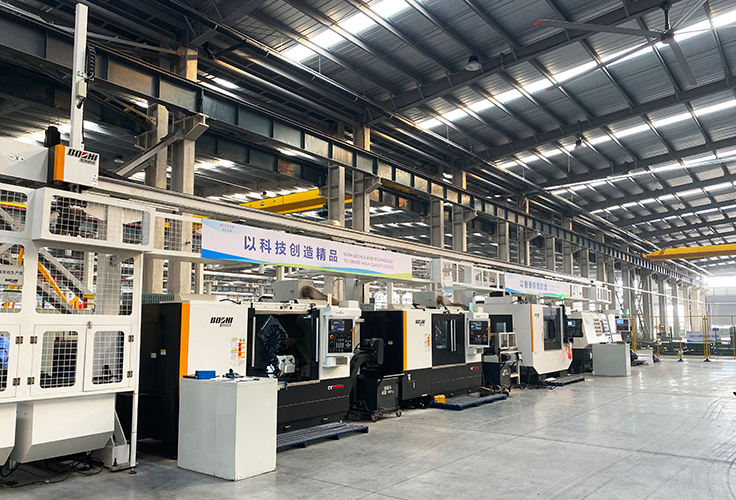
Backed by the powerful resources of Sunvim Group—a multi-billion RMB conglomerate—Shandong Sunvim Motor Co., Ltd. benefits from strong financial stability and strategic growth. Our expansive facilities house over 400 sets of advanced manufacturing, precision testing, and automated supporting equipment, driving an impressive annual production capacity of up to 3 million kilowatts.
Today, Sunvim Motor has evolved into a premier enterprise seamlessly integrating R&D, world-class manufacturing, global distribution, and dedicated customer service. Driven by the excellence of Sunvim Group, the SUNVIM brand has earned widespread international recognition. Our high-performance electric motors are trusted by global OEMs and industrial buyers across premier markets, including Germany, Italy, Greece, Spain, Belgium, Denmark, South Africa, Slovakia, Australia, Singapore, Indonesia, Malaysia, and Taiwan.
Gaomi Electric Appliance Factory was established. It built the foundation of our engineering team. Later, in 1988, it was renamed as Weifang Electric Machinery Factory to align with its expanding product lines and capabilities.
Mr. Sun, then the factory director, left the Gaomi Electric Appliance Factory and set up Gaomi Towel Factory, which served as the foundation and predecessor of the Sunvim Group.
Weifang Electric Machinery Factory was officially acquired by Sunvim Group. This strategic move combined their engineering talent with our modern resources to establish Shandong Sunvim Electrical Machinery Co. Ltd.
A new factory was completed in Sunvim Industrial Park. The business was renamed as Shandong Sunvim Motor Co. Ltd., marking a major expansion of our high-efficiency manufacturing capabilities.
Our products conform to the strictest quality protocols globally. Every certification represents verified engineering performance, safety compliance, and production transparency.

ISO9001: 2015
CE Mark

UKCA
UL Underwriters
SABS Approved
CCS Classification
ABS Shipping
DNV Classification
Our motors are engineered to operate reliably in the most demanding environments on Earth, providing consistent torque and robust protection across key heavy industries.
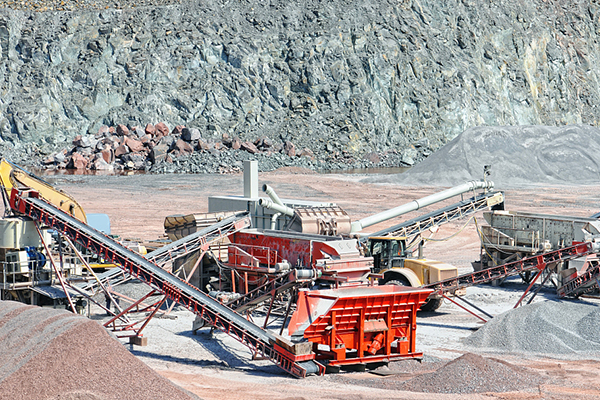
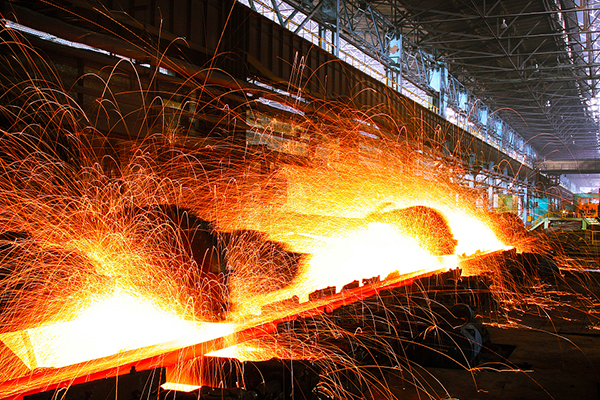
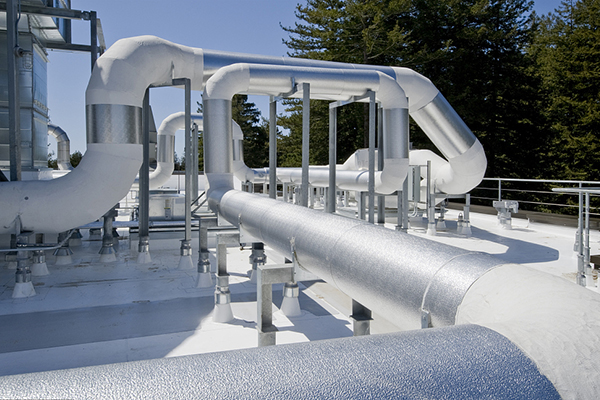
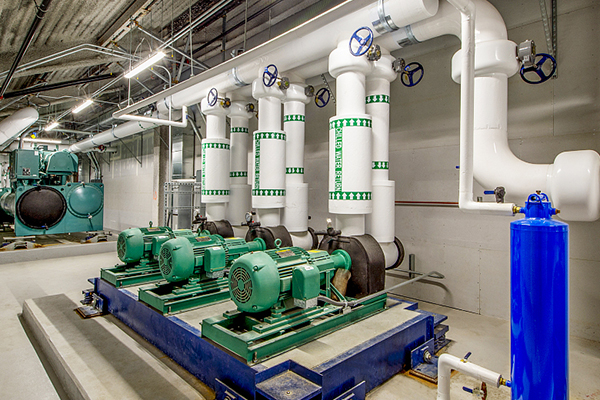
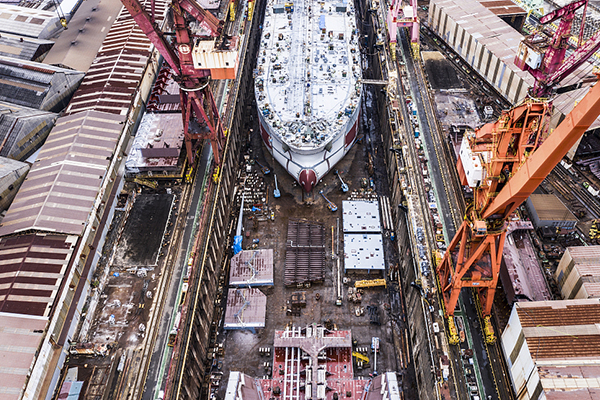
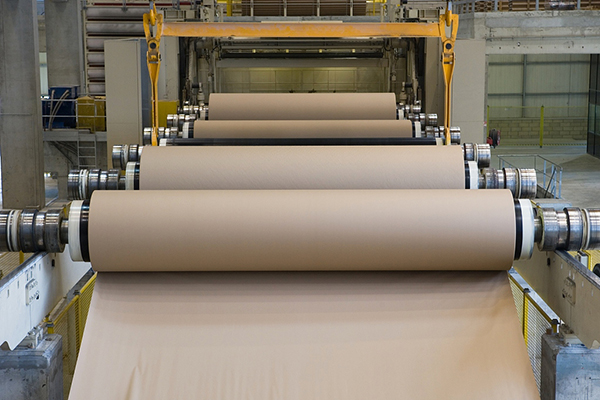
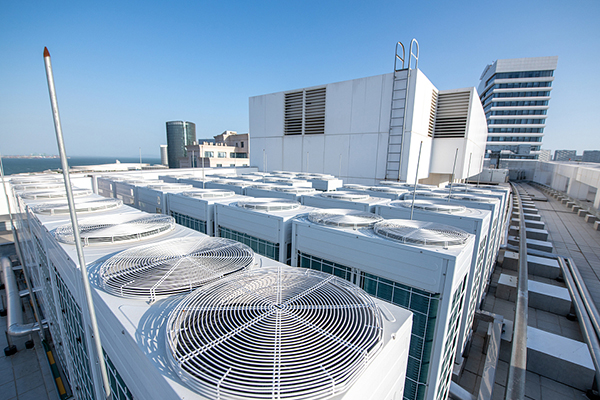

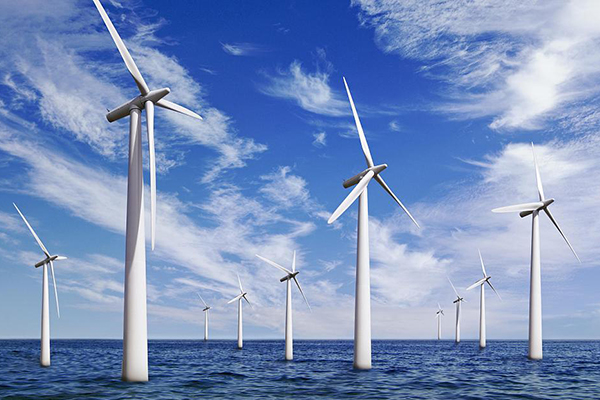
As industrial facilities aim to optimize their carbon footprint and reduce operating expenses, understanding the transition from standard induction motors (IE1, IE2) to super-premium technologies (IE3, IE4, IE5) is crucial. Minimizing internal losses is the primary objective of Shandong Sunvim's engineering roadmap.
Electric motor power losses can be grouped into five main areas. Our technical team works to minimize each of these components:
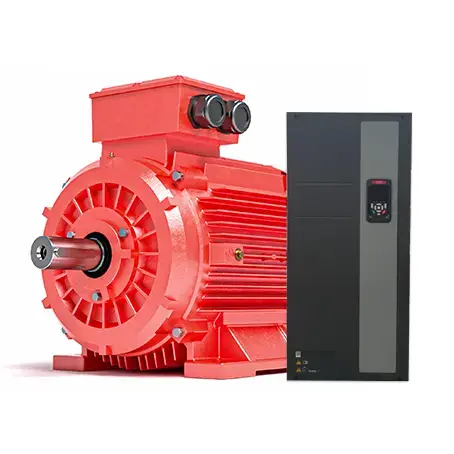
For applications seeking IE5 efficiency without the high cost and environmental footprint of rare-earth magnets, our SCZ Series Synchronous Reluctance Motors (SynRM) offer an ideal solution. Operating exclusively via variable frequency drives (VFDs), the rotor of a SynRM contains no windings or magnets. Instead, it relies on internal magnetic barriers to create reluctance torque. This design keeps the rotor cool, extending bearing life and reducing overall thermal stress.
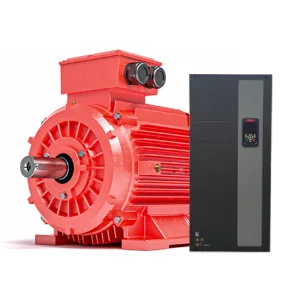
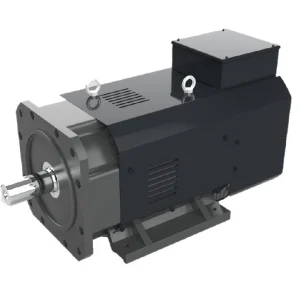
Modern industrial equipment must also be designed to handle variable electrical conditions. Our YVF series converter-fed high-output motors are specifically designed for variable frequency drive (VFD) applications. They feature Class H insulation, vacuum pressure impregnation (VPI), and insulated non-drive end bearings to protect against damage from high-frequency shaft currents.
Examine our highly requested specialty product series, designed to meet the toughest standards of global industrial equipment manufacturers.
Expert answers to common technical, design, and sourcing questions about high-performance rib-cooled industrial electric motors.
At reduced speeds, shaft-mounted cooling fans generate significantly less airflow, which can cause heat buildup in the stator. To prevent this, our YVF variable frequency motors feature optimized rib geometry to maximize natural heat dissipation. For applications requiring continuous operation at very low speeds, we recommend forced-ventilation systems (IC416) that use an independent, constant-speed cooling fan to maintain reliable airflow across the cooling ribs.
Cast-iron frames (like our Y2 series) provide excellent mechanical strength, high corrosion resistance, and superior structural dampening. This makes them ideal for demanding industries like mining, cement, and chemical processing. Aluminum frames offer lighter weight and higher thermal conductivity, but are best suited for cleaner, less abrasive environments where weight reduction is a priority.
While premium motors have a higher initial purchase price, energy costs typically account for over 95% of a motor's total lifecycle cost. Upgrading to our IE4 or IE5 synchronous reluctance (SynRM) or permanent magnet (PMSM) motors can cut energy losses by 30% to 50%. This often allows industrial facilities to recoup their investment within 12 to 18 months of continuous operation.
Marine motors must withstand high humidity, salt spray, and constant vibration. Our Y-H Marine series features specialized anti-corrosion coatings, rust-resistant internal hardware, double-shielded bearings, and Class F or H vacuum-impregnated insulation. They are fully certified by international classification societies like CCS, ABS, and DNV for safe, reliable operation aboard marine vessels.
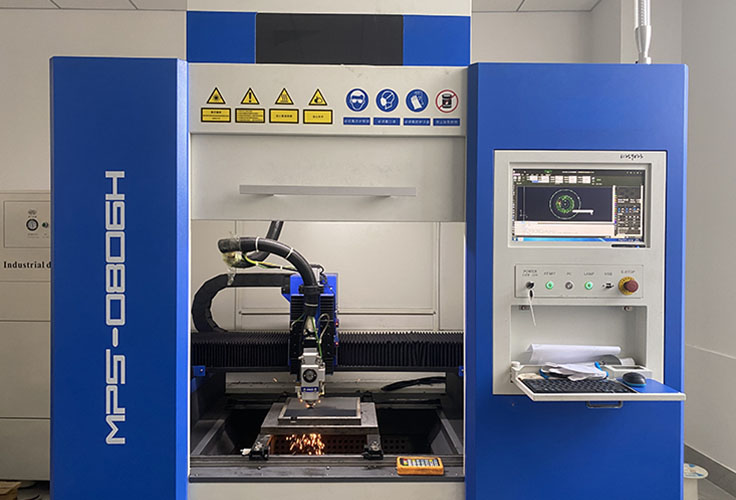
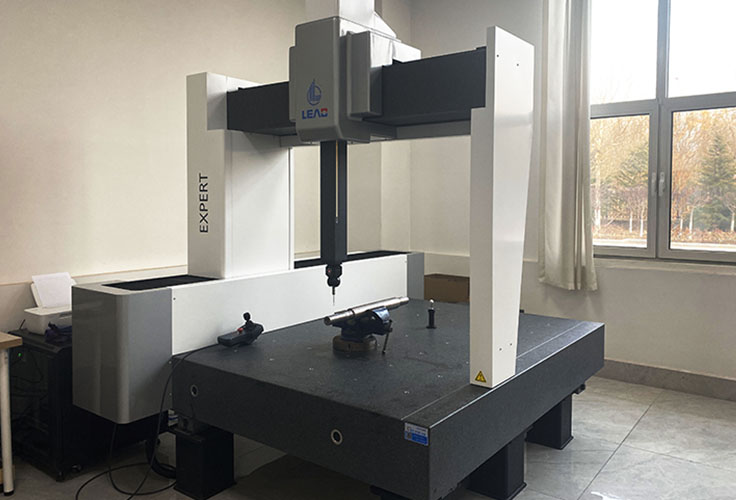
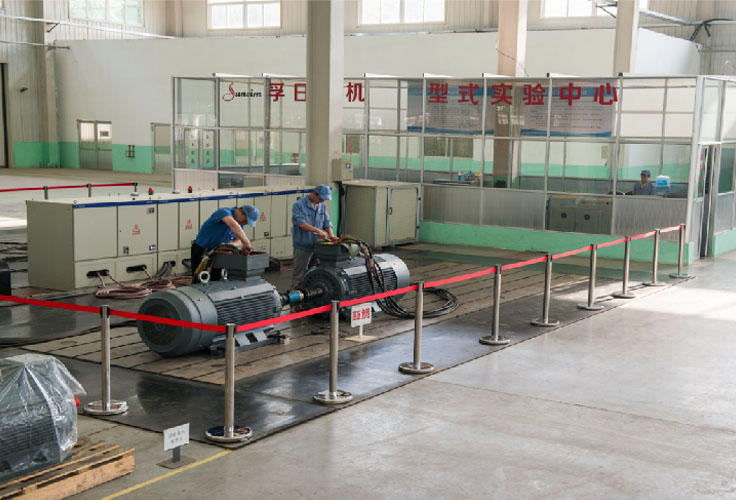
We use an advanced manufacturing workflow that includes automatic shaft machining, high-precision laser cutting, and coordinates measurement validation. Every motor undergoes comprehensive testing in our nationally certified Type Test Center to verify its efficiency, thermal performance, and vibration levels before shipment.