 Sunvim Motor
Sunvim Motor
Sunvim Motor
In modern industrial systems, transmitting electrical power, high-frequency signals, and sensitive data across continuously rotating interfaces is a primary engineering challenge. Standard mechanical routing solutions fail under continuous rotation, causing fatigue, wear, and eventual failure. High-performance custom slip rings (also known as rotary electrical interfaces, rotating electrical connectors, or collector rings) solve this bottleneck by ensuring uninterrupted 360-degree rotation. They sustain electrical continuity across a complex array of circuits, supporting systems ranging from low-noise digital instrumentation to high-amperage industrial motor drives.
As a leading custom slipring manufacturer and factory, our engineering division addresses this physical challenge by combining materials science, mechanical optimization, and contact physics. Modern smart factories demand higher bandwidths, lower electrical noise, longer lifespans, and minimal maintenance. We address these requirements with precision-engineered contact systems, designed and tested to withstand high vibration, shock, chemical exposure, and extreme thermal conditions.
We leverage advanced tribological research using gold-on-gold, gold-on-silver, and silver-alloy composite fiber brush systems. This reduces dynamic contact resistance and contact bounce to keep signal loss near zero.
Our custom designs combine high-power lines, multi-channel gigabit Ethernet networks, fluidic/pneumatic channels, and fiber optic lines (FORJs) into a single, compact physical housing.
Designed to perform under extreme conditions, our slip ring enclosures offer custom IP ratings up to IP68. They feature stainless steel or anodized aluminum housings to resist salt spray, high pressure washdowns, and explosive atmospheres.
Operating from our modern production base at Shandong Sunvim Motor Co., Ltd., we combine heavy industrial manufacturing with modern micro-precision assembly. Backed by the multi-billion RMB Sunvim Group, we have built a fully integrated supply chain that ensures production speed, precision, and financial stability. Our facility spans over 68,000 m² with a dedicated building area of 53,000 m², accommodating high-volume production alongside rapid prototyping for customized orders.
Our Factory 4.0 initiative leverages highly automated machining lines, CNC tooling stations, and cleanroom assembly zones for high-precision components. By maintaining vertical integration over our supply chain—from raw material inspection and precision CNC shaft machining to stator winding and final dyno-testing—we mitigate the supply chain delays typical of fragmented component suppliers.
Our manufacturing plant is equipped with over 400 sets of advanced manufacturing, testing, and supporting equipment. This allows us to guarantee micrometer-level structural tolerances across all custom slip ring shafts and structural enclosures.
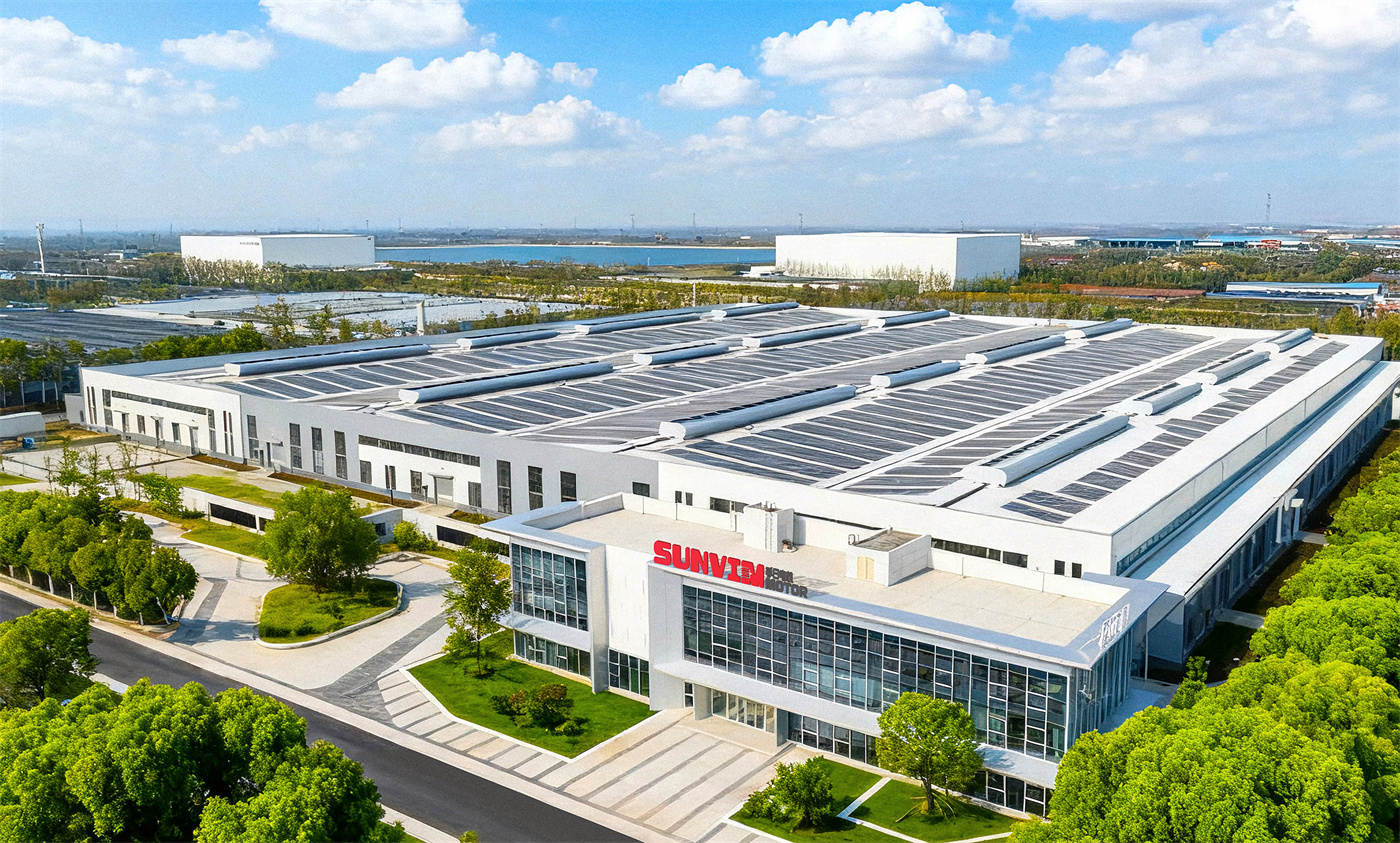
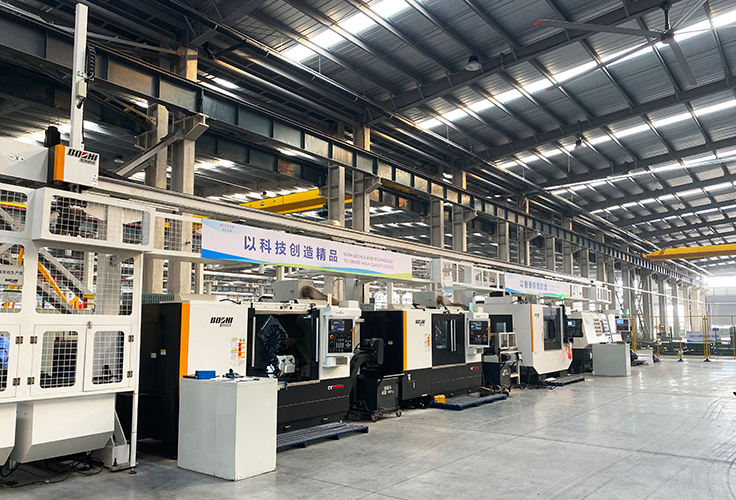
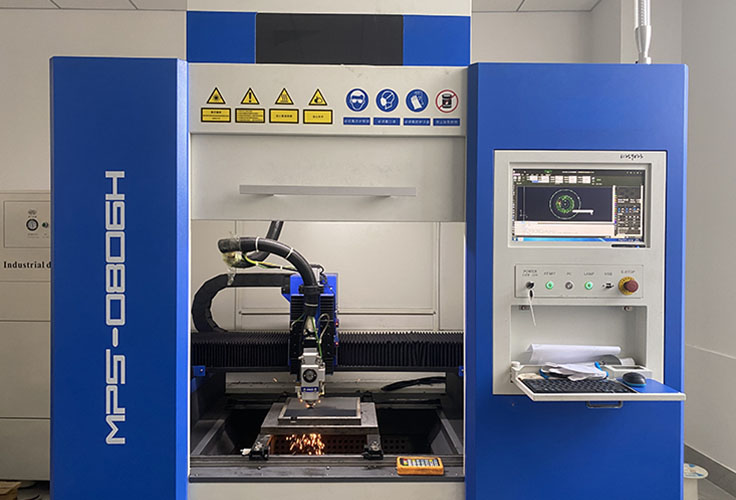
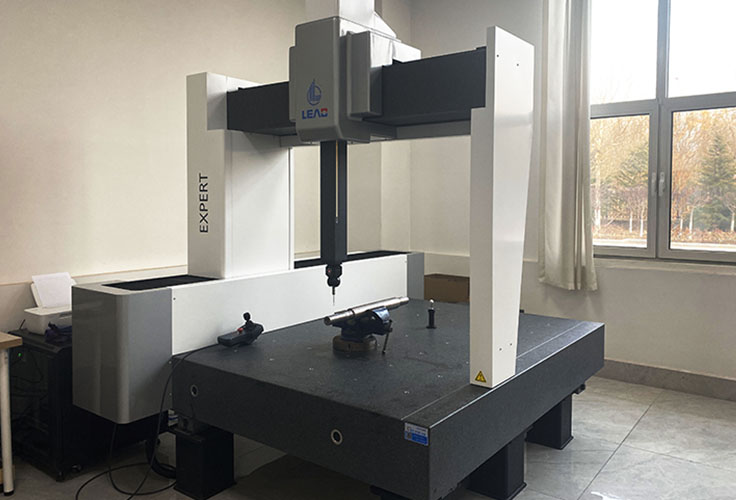
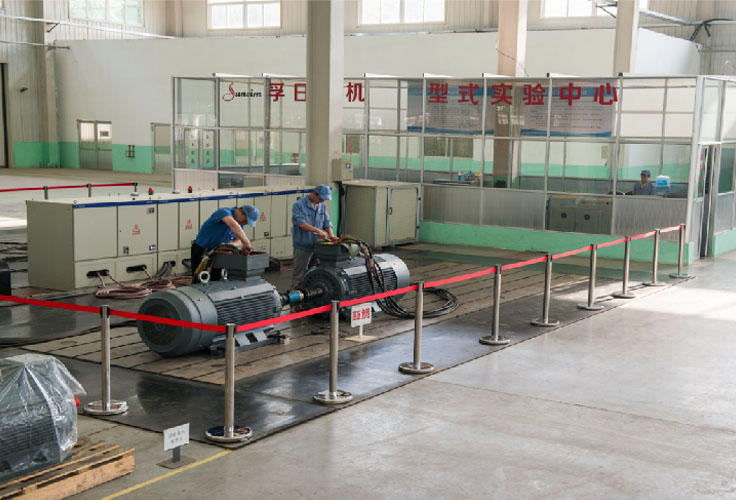
From industrial equipment components to complex rotary slip rings and advanced motors, our history reflects continuous adaptation and technological growth.
Slip rings and rotary joints are critical for cross-axis communication in heavy industry and automation. Below is an overview of how our custom solutions integrate with global industrial equipment.

Transmits control signals and blade heating power to rotating hub mechanisms in onshore and offshore wind turbines, designed to withstand extreme cold, moisture, and high structural vibration.
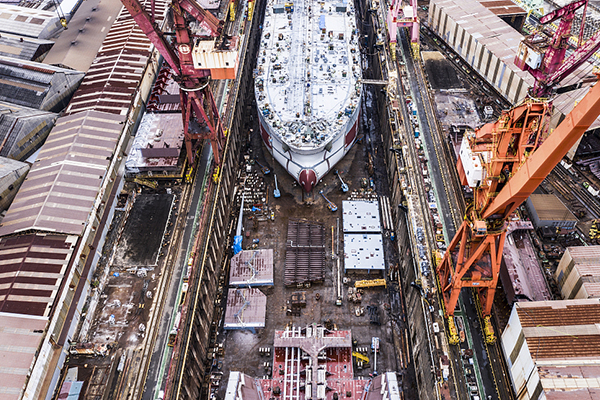
Approved for marine environments. These units power azimuthing thrusters, deck winches, radar units, and underwater robotic systems (ROVs), resisting marine salt spray corrosion.
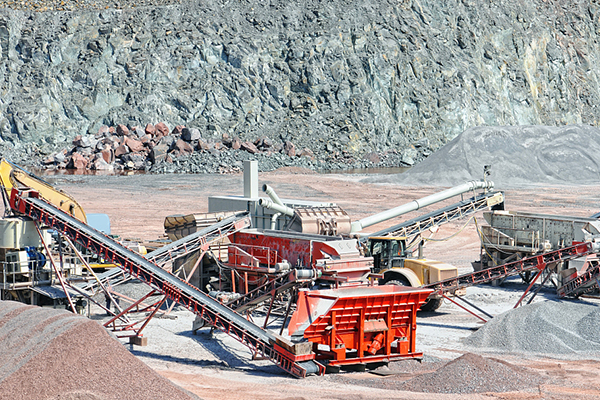
Sealed to IP67/IP68 standards to protect contact tracks from abrasive dust, rocks, and oil slurry in continuous rotation mining excavators and heavy draglines.
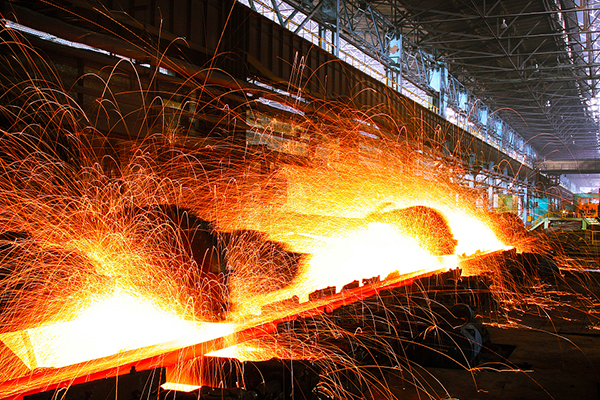
Designed for ladle turrets and hot rolling mills, withstanding extreme ambient temperatures, radiation, and cooling-water mist.
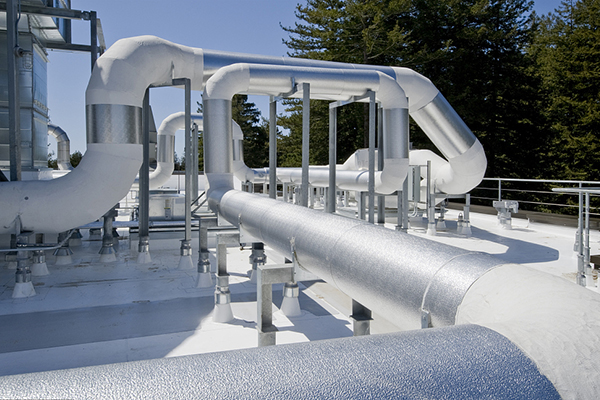
Provides continuous control for pitch-adjustable fans and ventilation systems in subways, mining shafts, and chemical vapor extraction towers.
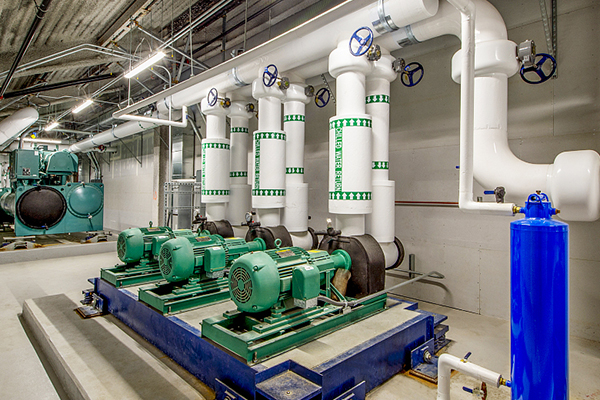
High-voltage center pivot slip rings designed to transmit power to lateral spray arms, built for outdoor agricultural environments.
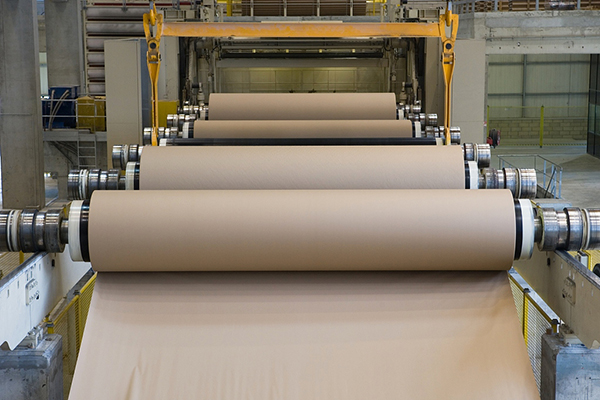
Powers heated drying rolls and sensor feedback lines in continuous paper web machines, designed to run at high rotation speeds.
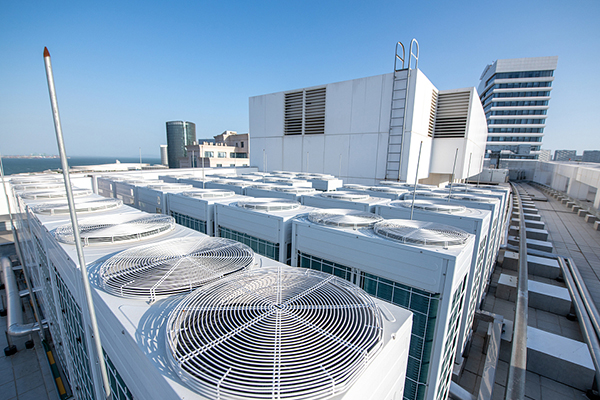
Integrated slip ring sensors track critical temperature and pressure parameters on active high-speed rotating compressor impellers.

Explosion-proof ATEX/IECEx slip rings isolate electrical contacts to prevent explosive gases from igniting in processing reactors.
Navigating global compliance and local safety standards is crucial for international projects. Shandong Sunvim Motor Co., Ltd. maintains a robust portfolio of certifications, verifying our design integrity, material traceability, and quality management protocols. Our systems comply with the strict requirements of international industrial markets, including Europe, North America, the Middle East, South Africa, and the Asia-Pacific region.


Our technical integration network extends to major industrial nations, including Germany, Italy, Spain, Belgium, Denmark, South Africa, Australia, Singapore, and Taiwan. By partnering with regional field engineering offices, we provide localized support for integration, debugging, and preventative maintenance. This mitigates operational downtime across complex multi-site operations.
Industrial machinery continues to demand higher rotation speeds, wider bandwidths, and maintenance-free life cycles. To meet these needs, our R&D roadmap focuses on developing non-contacting and high-performance mechanical slip ring configurations.
For applications transferring massive amounts of data without electromagnetic interference (EMI), we are expanding our range of single-channel and multi-channel FORJ units. These provide data transmission speeds exceeding 40 Gbps for high-definition marine camera suites and continuous-rotation military radar systems.
To reduce wear, our roadmap includes contactless inductive power and capacitive data transmission systems. Eliminating contact friction prevents carbon dust accumulation, extending service life in cleanroom manufacturing environments.
We are integrating real-time telemetry sensors into our high-power slip ring configurations. These monitor operating temperature, humidity, brush friction, and dielectric resistance, enabling predictive maintenance that reduces unexpected system failures.
| Specification Parameter | Standard Product Capability | Custom Project Capability |
|---|---|---|
| Number of Channels | 1 to 72 Channels | Up to 300+ Channels (Power & Signal Hybrid) |
| Voltage Rating | 0 to 600 VAC/VDC | Up to 10 kVAC (High Voltage Wind/Marine) |
| Current Handling Range | 2A to 50A per channel | Up to 2000A+ per channel (Heavy Metallurgy) |
| Rotational Speed Capability | 0 to 300 RPM | Up to 10,000 RPM (High-speed Turbo Testing) |
| Operating Temperature | -40°C to +80°C | -55°C to +150°C (Deep Aerospace / Ladles) |
| Signal Compatibility | Analog, RS232, RS485, USB 2.0 | 10G Ethernet, Profinet, EtherCAT, HDMI, Fiber (FORJ) |
Procuring custom electromechanical components involves balancing capital costs, technical compatibility, and product longevity. Evaluating these options requires analyzing key engineering metrics rather than comparing up-front costs alone.
Calculate the cost of the unit over its lifecycle, factoring in replacement labor and operational downtime. Using premium materials reduces overall maintenance expenses.
Specify low electrical noise levels (typically under 10 milliohms) to prevent corrupting sensitive data signals in communication networks.
Choose between compact pancake designs for restricted heights and hollow-bore options for routing hydraulic, pneumatic, or central shaft components.
Match environmental sealing to the application, specifying IP ratings and explosion-proof designs to protect internally housed assemblies.
Technical answers to common custom slip ring engineering and integration questions.
Transmitting high-frequency signals like Gigabit Ethernet or EtherCAT requires controlled characteristic impedance across the rotary connection. We use twisted-pair routing, optimized brush geometry to minimize dynamic contact resistance variations, and shielding to isolate sensitive data paths from high-power channels.
Gold-on-gold contacts are ideal for low-voltage, low-current signals due to low contact resistance, zero oxidation, and minimal noise. Heavy carbon brushes are suited for high-amperage power applications (e.g., slip ring induction motors), where they support higher current densities and are easily replaced during scheduled maintenance cycles.
Increased noise is typically caused by debris from brush wear, surface oxidation, insufficient contact force, or mechanical misalignment of the rotor. Regular cleaning, using proper brush pressures, and selecting appropriate contact materials for the environment help prevent noise increases.
Yes, we design hybrid fluidic-electrical slip rings. These integrate hydraulic or pneumatic passages with concentric electrical rings, separating the fluids from the wiring paths through dual-barrier dynamic seals.
Custom projects begin with collaborative CAD design reviews, typically completed in 1 to 2 weeks. Once specifications are approved, raw material sourcing, precision machining, and cleanroom assembly are completed in 4 to 6 weeks, depending on order size and complexity.