 Sunvim Motor
Sunvim Motor
Sunvim Motor
Engineered to minimize electromagnetic loss and optimize torque transmission across heavy-duty industrial operations.
In the realm of industrial electromotion, motor slippage (or slip) is a fundamental physical phenomenon inherent to asynchronous induction motors. It is defined as the difference between the synchronous speed of the stator's rotating magnetic field ($n_s$) and the actual rotor speed ($n$), mathematically expressed as: $$s = \frac{n_s - n}{n_s} \times 100\%$$
While a baseline level of slip is thermodynamic necessity to induce current in the rotor bars and generate torque, excessive or unmanaged slippage represents a critical vector of energy dissipation, thermal stress, and mechanical degradation. For global enterprises operating heavy machinery, minimizing parasitic slippage is paramount to achieving optimal system efficiency and operational longevity.
"Parasitic slippage is not merely a loss of RPM; it is a direct conversion of electrical energy into destructive thermal energy within the rotor core, accelerating insulation breakdown and bearing failure."
In a standard three-phase induction motor, the stator windings produce a rotating magnetic field. As this field cuts through the rotor conductors, it induces an electromotive force (EMF) and subsequent current flow. This current interacts with the magnetic flux to produce the rotational torque. If the rotor were to spin at exact synchronous speed, there would be no relative movement between the magnetic field and the rotor, zero EMF would be induced, and torque would drop to zero. Thus, induction motors must always operate with a fractional slip.
However, when the load increases beyond the motor's rated capacity, or when the rotor circuit impedance is sub-optimal, the slip increases. This deviation from the design point leads to a cascade of inefficiencies: increased stator current draw, severe heating ($I^2R$ losses in the rotor), and a significant drop in operational efficiency.
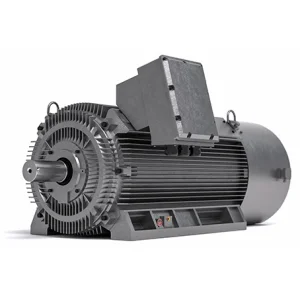
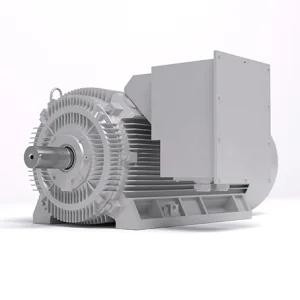
As a leading ODM (Original Design Manufacturer) motor factory, Shandong Sunvim Motor Co., Ltd. approaches slip control through advanced materials science and precise electromagnetic geometry. By customizing rotor slot profiles, utilizing high-conductivity copper rotor bars, and optimizing stator winding configurations, we reduce nominal slip to absolute physical limits. This ensures that our custom motors maintain high torque outputs at minimal slip levels, even under fluctuating load conditions.
How modern industrial enterprises mitigate slip-related losses through strategic technology adoption and custom ODM partnerships.
Procurement departments in energy-intensive sectors (e.g., chemical processing, metallurgy) evaluate motors based on lifetime operating costs rather than initial purchase price. A motor with optimized, low-slip characteristics can save tens of thousands of dollars in energy consumption over its operational lifecycle.
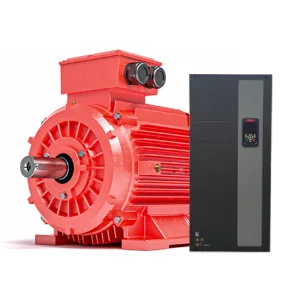
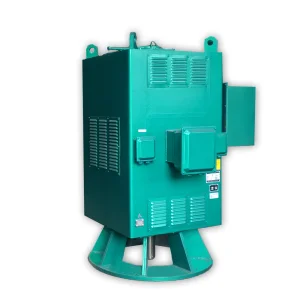
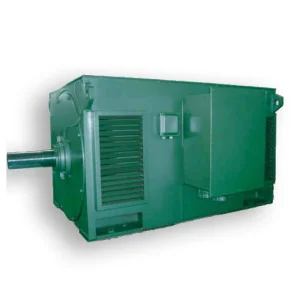
By pairing converter-fed motors (such as our OEM YVF series) with smart Variable Frequency Drives (VFDs), systems can dynamically adjust the stator frequency based on real-time load feedback. This slip compensation loop maintains constant shaft speed regardless of load fluctuations.
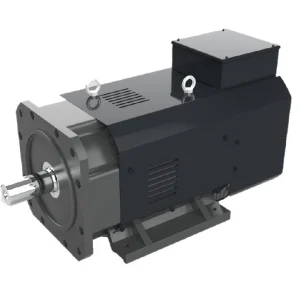
For applications demanding absolute zero-slip performance without the cost or environmental concerns of permanent magnets, Synchronous Reluctance Motors (SCZ Series) represent the cutting edge. They run in perfect synchrony with the stator field, eliminating rotor $I^2R$ losses entirely.
Shandong Sunvim Motor Co., Ltd. represents the pinnacle of industrial motor innovation, backed by over 60 years of manufacturing excellence.
With over six decades of deep-rooted expertise in electric motor research, development, and high-precision manufacturing, Shandong Sunvim Motor Co., Ltd. has established a modernized production ecosystem tailored for the future of global industry. Backed by the immense resources of the multi-billion RMB Sunvim Group, we deliver unparalleled financial stability, advanced R&D capabilities, and global distribution networks.
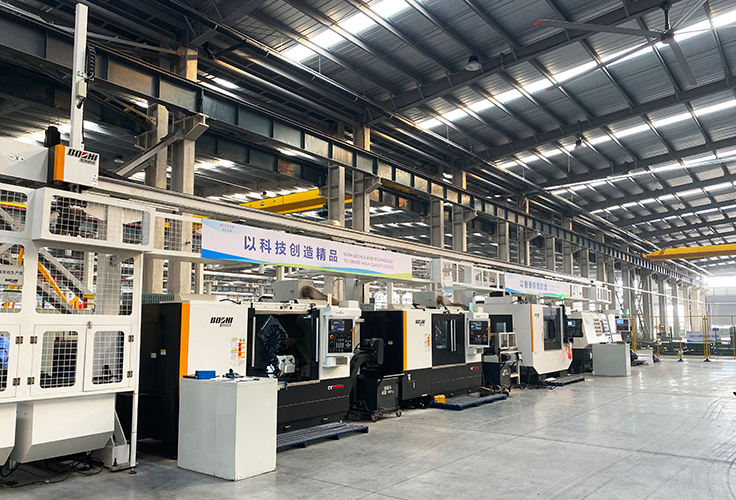
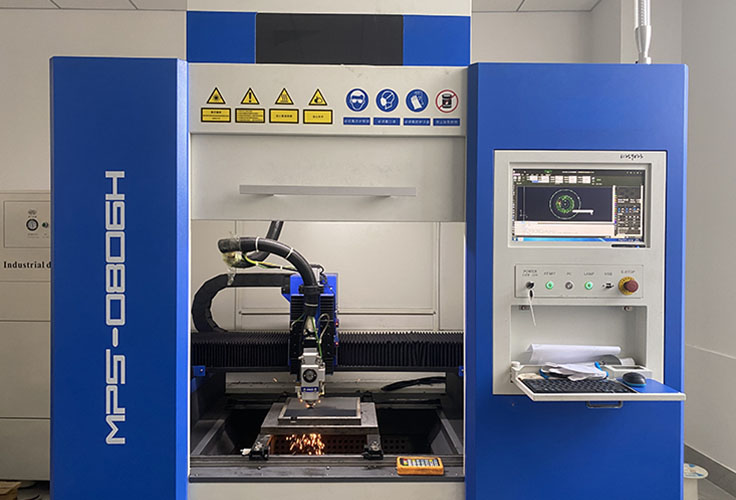
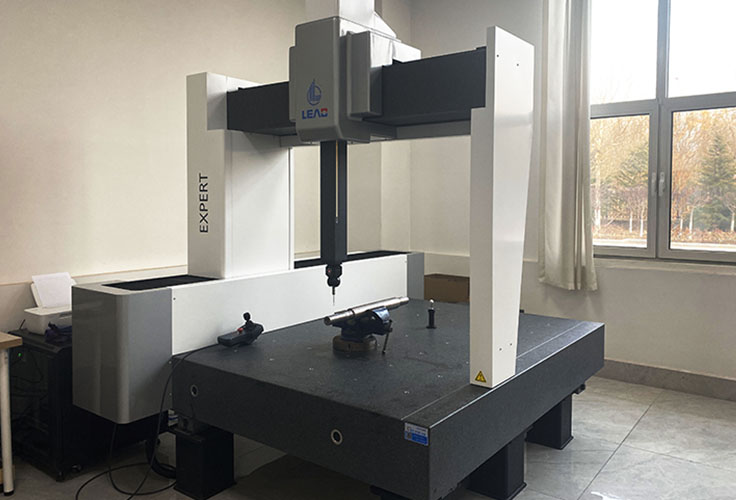
Our expansive facilities house over 400 sets of advanced manufacturing, precision testing, and automated supporting equipment to guarantee ultra-low tolerance motor production.
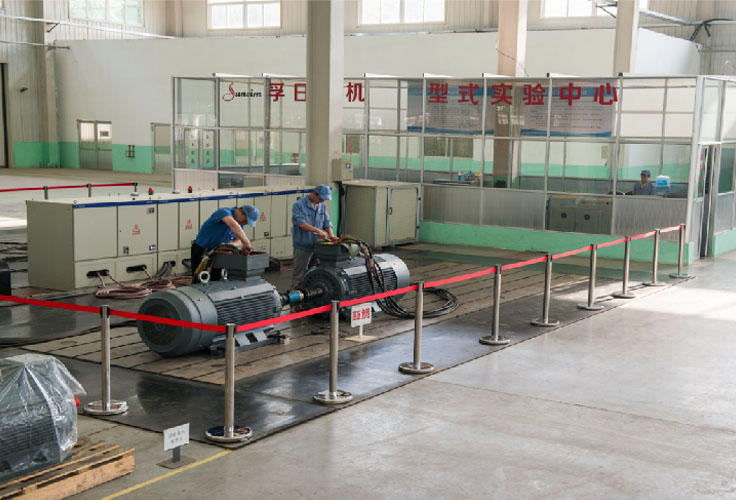
From a regional electrical appliance factory to a global powerhouse in high-efficiency electric motors.
Gaomi Electric Appliance Factory was established, laying the foundation for over 60 years of manufacturing expertise. Later renamed Weifang Electric Machinery Factory in 1988.
Mr. Sun, then the factory director, established the Gaomi Towel Factory, which served as the strategic predecessor and financial foundation of the Sunvim Group.
Weifang Electric Machinery Factory was strategically acquired by the Sunvim Group, leading to the establishment of Shandong Sunvim Electrical Machinery Co. Ltd.
A brand-new, state-of-the-art manufacturing facility was completed in the Sunvim Industrial Park, and the company was officially renamed Shandong Sunvim Motor Co., Ltd.
Our low-slip, high-efficiency motors are deployed in the world's most challenging operational environments.
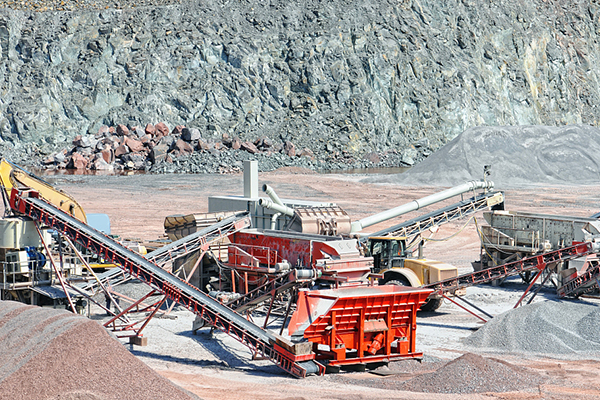
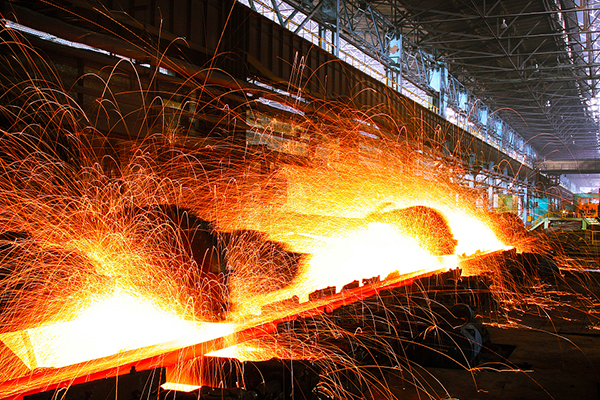
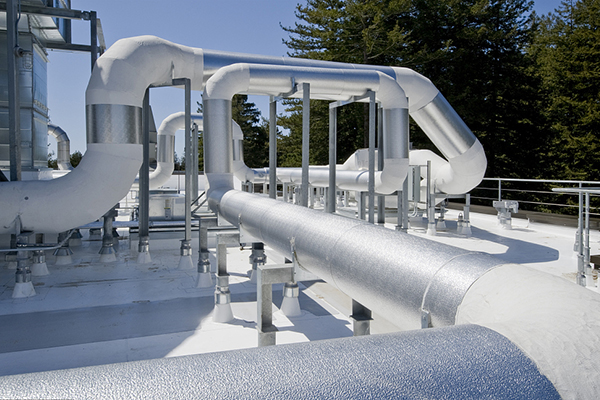
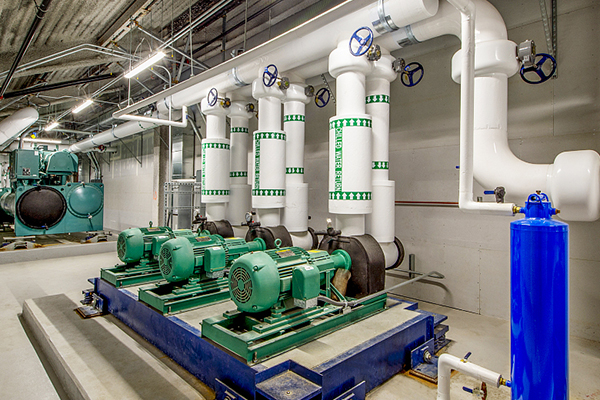
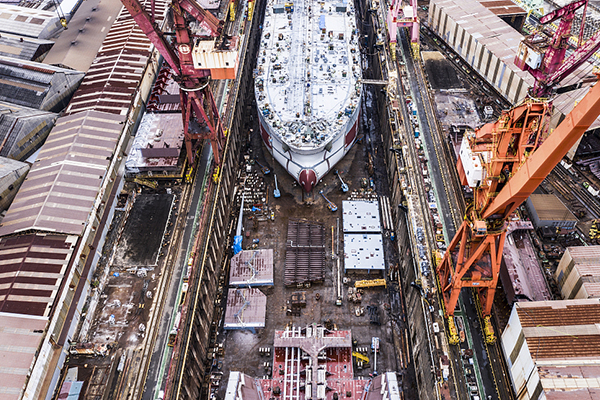
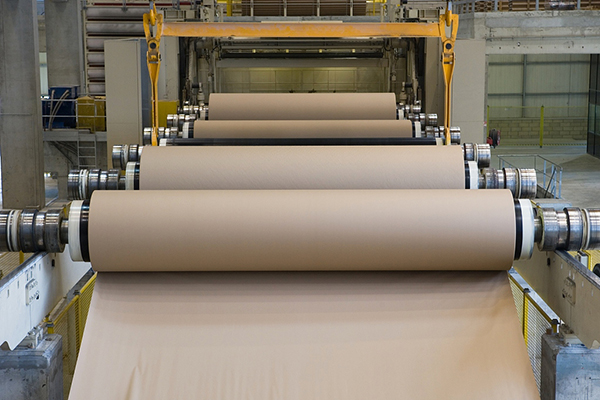
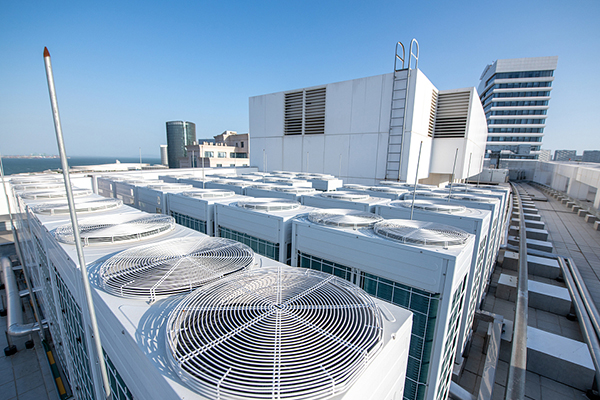


Our commitment to international quality standards ensures seamless integration and regulatory compliance in premier global markets.

Expert answers to the most common engineering and procurement questions regarding motor slip control and ODM services.
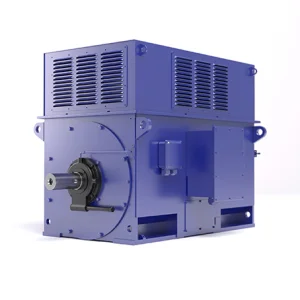
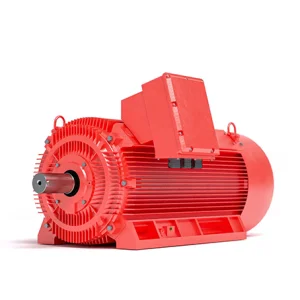
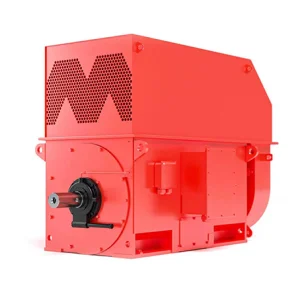
From modular high-voltage systems to specialized converter-fed and permanent magnet motors.