
Sunvim Motor
Choosing the right asynchronous motor can significantly impact your operations. An asynchronous motor is widely used in various industries due to its efficiency and reliability. Understanding your specific needs is crucial before making a decision.
Consider the applications where the motor will be used. Different tasks require different specifications. The load type, torque, and speed requirements must align with the motor's capabilities. Researching different models can help. Some motors may be less efficient than others. This could lead to higher energy costs over time.
Expert guidance is essential in this process. Ensure you consult with manufacturers and experienced professionals. They can provide insights on the best motor for your application. However, not all advice may suit your specific conditions. Always analyze data and reviews critically. Making an informed choice ensures optimal performance and durability of your asynchronous motor.
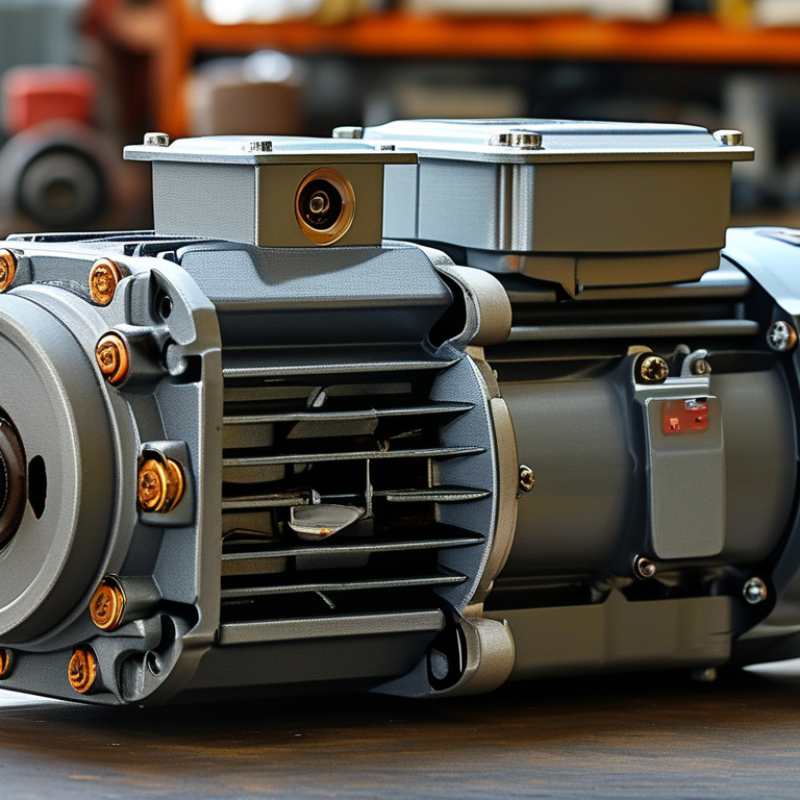
Asynchronous motors play a crucial role in various applications, from industrial machinery to household appliances. These motors can be categorized into two main types: squirrel cage motors and wound rotor motors. According to a recent industry report, squirrel cage motors comprise around 80% of the global market for asynchronous motors. They are favored for their robustness, low maintenance, and efficiency. Wound rotor motors, although less common, excel in applications requiring variable speed or high starting torque.
Applications of asynchronous motors are diverse. In manufacturing, these motors are essential for conveyor systems and pumps. The energy efficiency of these motors is impressive; studies indicate that using high-efficiency asynchronous motors can lead to energy savings up to 30%. However, selecting the right motor requires a thorough understanding of the application’s requirements, such as load characteristics and speed control needs.
Despite their advantages, there are challenges. Miscalculating the motor's specifications may lead to underperformance or excessive energy consumption. Proper sizing and installation are crucial to avoid these pitfalls. Continuous advancements in motor technology mean that a comprehensive evaluation of your specific needs is essential to ensure reliability and efficiency in your operations.
Choosing the right asynchronous motor requires careful consideration of several factors. One major aspect is the motor's power rating. It's essential to match the motor's power to your application's requirements. An undersized motor can overheat and fail, while an oversized motor may waste energy.
Another key factor is efficiency. Different motors have varying efficiency ratings, impacting operational costs. Opting for a more efficient motor can save money in the long run. However, higher efficiency often comes at a higher initial cost. Weigh that initial investment against potential savings.
Tips to keep in mind:
- Analyze your load requirements. Understand your application thoroughly.
- Check the motor's torque characteristics. Ensure they align with task needs.
- Consider the environment where the motor will operate. High humidity or high temperatures can affect performance.
Reflecting on these factors will lead to a deeper understanding of your needs. Make sure to collect reliable data before deciding.
When selecting the right asynchronous motor, evaluating motor specifications is crucial. Focus on power ratings. They indicate the motor's ability to perform specific tasks. Higher power ratings meet greater load demands effectively. However, overpowered motors can lead to inefficiencies and increased costs.
Next, consider the motor's speed. It should align with your application's requirements. Various applications demand different speeds. Choosing a motor with inappropriate speed can affect overall performance. Efficiency is another essential factor. High efficiency means lower energy consumption and operating costs. Motors with poor efficiency can lead to excess heat and potentially shorten lifespan.
Reflect on your unique requirements. A motor that suits one application might not fit another. It's vital to balance power, speed, and efficiency according to your needs. Sometimes, the optimal choice may defy initial expectations or intuitions. Be open to learning from past selections, and don't hesitate to adjust your criteria when necessary.
When selecting an asynchronous motor, understanding the operating environment and load requirements is critical. Various factors can significantly influence motor performance. For instance, the temperature and humidity levels can impact efficiency. Industry studies indicate that motors operating in temperatures greater than 40°C can experience a reduction in lifespan by up to 20%.
Additionally, high humidity environments can lead to moisture accumulation, which increases the risk of corrosion and electrical issues. Load requirements must also be assessed meticulously. An underloaded motor may operate inefficiently, wasting energy. Conversely, overloading a motor can lead to overheating, drawing excessive current. According to reports, overloaded motors can fail up to 50% earlier than expected.
It's also important to consider the application type. For instance, conveyors may require different motor specifications than pumps. Developing a clear understanding of both the environment and load conditions ultimately informs the decision-making process. Every application is unique and necessitates careful evaluation. Balancing these factors will yield optimal motor selection that meets operational needs efficiently.
When selecting the right asynchronous motor, cost and maintenance are crucial factors. Initial costs often influence decisions. Industry reports suggest that asynchronous motors can range from $1,000 to over $5,000, depending on specifications and efficiency ratings. A more efficient motor typically incurs a higher upfront cost but offers long-term savings through reduced energy consumption.
Maintenance considerations also play an important role. Regular inspections, lubrication, and bearing replacements are necessary to ensure optimal performance. Data indicates that maintenance costs can range from 10% to 20% of the initial purchase price annually. These costs can rise if the motor is operating in harsh environments, which may lead to increased wear and tear. Being proactive in maintenance can mitigate unexpected failures, ultimately saving resources and downtime.
Moreover, the right selection requires a balance between upfront costs and long-term expenses. It’s essential to evaluate operational conditions and loading factors. For instance, underloading an asynchronous motor can lead to efficiency losses. Additionally, some facilities may underestimate maintenance needs, leading to unexpected expenditures. Addressing these elements is vital for ensuring a sustainable operation.
: There are two main types: squirrel cage motors and wound rotor motors.
They are robust, require low maintenance, and are efficient.
These motors are used in industrial machinery, conveyor systems, and household appliances.
Studies show energy savings can reach up to 30% with high-efficiency asynchronous motors.
Miscalculations can lead to underperformance or excessive energy use, which is costly.
High temperatures can reduce motor lifespan by 20%, affecting efficiency negatively.
Regular inspections, lubrication, and bearing replacements are crucial for optimal performance.
Costs can range from $1,000 to $5,000 based on specifications and efficiency.
Proper sizing prevents energy wastage and avoids overheating or failure of the motor.
Evaluating load characteristics, environmental conditions, and maintenance needs is vital.
Choosing the right asynchronous motor involves understanding its types and various applications, as well as several key factors. First, you must evaluate the motor specifications, including power, speed, and efficiency, to ensure it meets your operational requirements. Additionally, assessing the operating environment and the load requirements is crucial to selecting a motor that can perform optimally under specific conditions.
Cost considerations and maintenance plans also play a significant role in the selection process. Understanding the initial investment and ongoing maintenance needs can help you make a decision that is both cost-effective and reliable. Ultimately, selecting the appropriate asynchronous motor is vital for achieving efficiency and longevity in your applications.
