Choosing the right Three Phase Induction Motor can significantly impact your operations. This motor type is widely used in industrial applications due to its efficiency and reliability. Understanding your specific needs is crucial.
For example, consider the power requirements. A motor's horsepower rating should match your equipment's demands. If you underestimate this, you risk reduced performance and potential damage. Size also matters; ensure the motor fits within your available space while providing adequate cooling.
Moreover, pay attention to the motor's efficiency rating. Higher efficiency can reduce operating costs over time. You'll want to analyze your budget against the benefits of investing in a top-rated motor. Remember, a cheaper initial cost might lead to higher long-term expenses. Reflect on your priorities. Are you aiming for performance, longevity, or cost? Each decision affects your overall satisfaction with the Three Phase Induction Motor you choose.
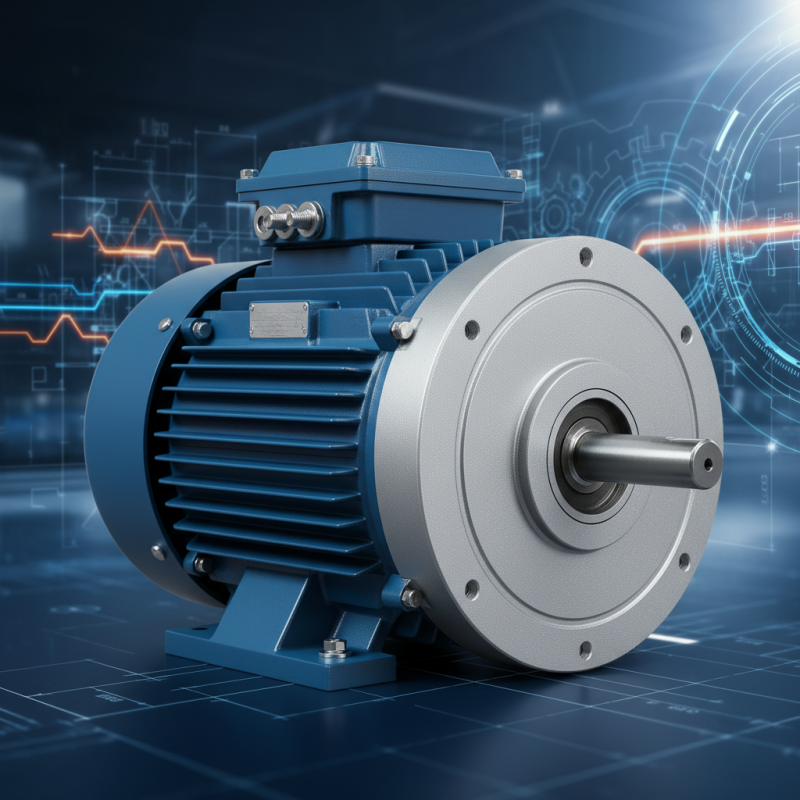
Understanding the Basics of Three Phase Induction Motors
Three phase induction motors are essential for many industrial applications. Understanding their basics is crucial for making informed choices. These motors convert electrical energy into mechanical energy using electromagnetic induction. They operate on the principle of rotating magnetic fields, which provide reliable and efficient performance.
When choosing a three phase induction motor, consider your specific needs. Pay attention to factors like load requirements and operating conditions. It's important to assess the environment where the motor will operate. For example, temperature, humidity, and potential exposure to dust or chemicals can impact performance.
Tips: Always check the motor's efficiency rating. A higher efficiency can lead to significant energy savings. Furthermore, ensure that the motor's voltage and frequency match your power supply. Ignoring these specifications could result in reduced performance or even damage to the motor.
Keep in mind that not all motors are created equal. Some may be better suited for specific applications than others. Take time to explore different types and configurations. Doing so could prevent future issues, like overheating or excessive wear. Choosing the right motor involves careful consideration of these factors to ensure optimal operation.
Key Factors to Consider When Choosing a Motor
Choosing the right three-phase induction motor can significantly impact your operational efficiency. When selecting a motor, several key factors should guide your decision. These include load requirements, operating environment, and motor efficiency. Understanding the load characteristics is crucial. Are you dealing with consistent loads or variable ones? This will determine the necessary power rating and torque specifications.
Another important consideration is the operating environment. Is the terrain harsh or relatively stable? Dust, moisture, and temperature fluctuations can affect motor performance. Ensure the motor you choose is rated for your specific conditions. For instance, in a humid environment, look for motors with enhanced sealing features. Efficiency is equally vital. An energy-efficient motor can reduce operational costs significantly over time. Don't overlook this during your search.
Finally, consider maintenance requirements. Some motors may need frequent servicing, while others are designed for long-term operations with minimal attention. Regular maintenance can prevent unexpected downtime and extend the motor's lifecycle. Balancing these factors can lead to better decision-making. Take your time to evaluate each aspect carefully; it will pay off in the long run.
Assessing Your Power Requirements and Load Conditions
When selecting a three-phase induction motor, understanding your power requirements and load conditions is essential. Begin by calculating the expected load. This involves assessing the total weight of materials to be moved. It’s important to consider the torque needed. Not all applications require the same torque, which can affect motor choice significantly.
Next, evaluate the operating conditions. Are the loads consistent, or do they vary? Variable loads may require a different motor type compared to constant loads. Take note of temperature and environment as well. Motors in harsh conditions might need additional protection. Always consider how these factors align with the motor's specifications.
Moreover, it’s crucial to recognize that estimating power needs can sometimes lead to errors. Overestimating can waste energy, while underestimating can strain the motor. Regularly reviewing your load conditions is a good practice. Ask for expert opinions whenever you're uncertain. This way, you ensure a better match between the motor and your specific requirements.
Evaluating Motor Efficiency and Performance Ratings
When selecting a three-phase induction motor, efficiency and performance ratings are crucial factors.
Efficiency ratings indicate how much electrical energy is converted into mechanical energy. Look for motors with
high efficiency percentages, as this leads to reduced energy
consumption. A small difference in efficiency can greatly impact operational costs over time.
Performance ratings provide insights into the motor's capabilities. Pay attention to horsepower,
torque, and speed. These values define how well the motor will perform in your
specific application. Ensure these ratings align with your operational needs. For instance, a motor that operates
well under load may not perform as effectively when idling.
Tips: Consider the operating environment for your motor. Factors like temperature,
humidity, and vibration can affect performance. Analyze if you need a motor designed for harsh
conditions. Also, consult industry standards and guidelines. These can provide benchmarks for evaluating
different motors.
Keep in mind that no motor is perfect for every situation. Testing a motor in real-world applications can reveal
unexpected challenges. Evaluate feedback from users and adjust your choice based on practical results. Always be
open to reassessing your needs as technology evolves.
Selecting the Right Motor Type and Configuration for Your Application
When selecting a three-phase induction motor, understanding your application is key. Different tasks require different motor types. For instance, a motor designed for heavy-duty applications will differ from one used for lighter tasks. Knowing your required power, torque, and speed can guide your choice effectively.
Configuration matters too. Consider factors like voltage, frequency, and installation space. The motor’s environment plays a significant role in its performance. Harsh conditions may need special enclosures. It’s essential to match the motor’s characteristics to your specific setting.
Finally, don’t overlook efficiency ratings. An efficient motor can save on energy costs, but it might be pricier upfront. Balancing costs with long-term savings can be challenging. Continuous reflection on your motor's performance is vital. Regular evaluations help ensure you made the right choice and address any shortcomings.
How to Choose the Best Three Phase Induction Motor for Your Needs?
| Motor Type |
Power Rating (kW) |
Voltage (V) |
Number of Poles |
Efficiency (%) |
Application |
| Squirrel Cage Motor |
5 |
400 |
4 |
85 |
Pumps |
| Wound Rotor Motor |
10 |
480 |
6 |
90 |
Conveyor Systems |
| Double-Squirrel Cage Motor |
15 |
400 |
8 |
92 |
Cranes |
| Permanent Magnet Motor |
7.5 |
400 |
4 |
95 |
Fans |
| Vertical Motor |
20 |
230 |
4 |
88 |
Elevators |
Conclusion
When selecting the best Three Phase Induction Motor for your needs, it is crucial to understand the fundamental principles governing these motors. Key considerations include your specific power requirements and the load conditions under which the motor will operate. Additionally, evaluating the motor's efficiency and performance ratings will help ensure optimal energy usage and longevity.
Furthermore, choosing the right motor type and configuration tailored to your application can significantly impact performance. This involves analyzing factors such as torque, speed, and installation environment to make an informed decision. By carefully considering these aspects, you can select a Three Phase Induction Motor that meets your operational needs and maximizes efficiency.
 Sunvim Motor
