
Sunvim Motor Sunvim Motor

How to Choose an AC Electric Motor in 2026?

Time:2026-10-07 Author:Sienna
0%

Choosing an Ac Electric Motor in 2026 requires more than comparing price, horsepower, and frame size. The application matters first: a dusty pump room, a refrigerated warehouse, and a precision conveyor demand different motor characteristics. The International Energy Agency reports that electric motor systems consume roughly half of global electricity. Even small efficiency losses can therefore become significant operating costs. The U.S. Department of Energy also identifies motor-driven equipment as a major industrial electricity user. These figures make efficiency, duty cycle, maintenance access, and control compatibility essential selection criteria.

Nikola Tesla, whose 1888 work established the foundation of modern AC motor technology, wrote, “The future belongs to the alternating current.” His insight still feels practical beside a factory control cabinet. Yet the right Ac Electric Motor is not automatically the most efficient model on a label. A high-efficiency motor may perform poorly if oversized, frequently restarted, or paired with an unsuitable variable-frequency drive. That is where real operating experience matters. Record load changes, ambient temperature, starting torque, vibration, and annual running hours before choosing. Measure, do not guess.

Recent analyses from the IEA, U.S. DOE, and major industrial research firms show continuing demand for efficient motor systems through 2026. However, market forecasts differ because they define “AC motor” differently. Some include drives and integrated systems; others count motors alone. A neat spreadsheet can still mislead. This guide examines induction and synchronous designs, IE efficiency classes, inverter duty, service factors, installation environments, and lifecycle cost. It also questions common assumptions, because the cheapest purchase can become the most expensive machine on the floor.
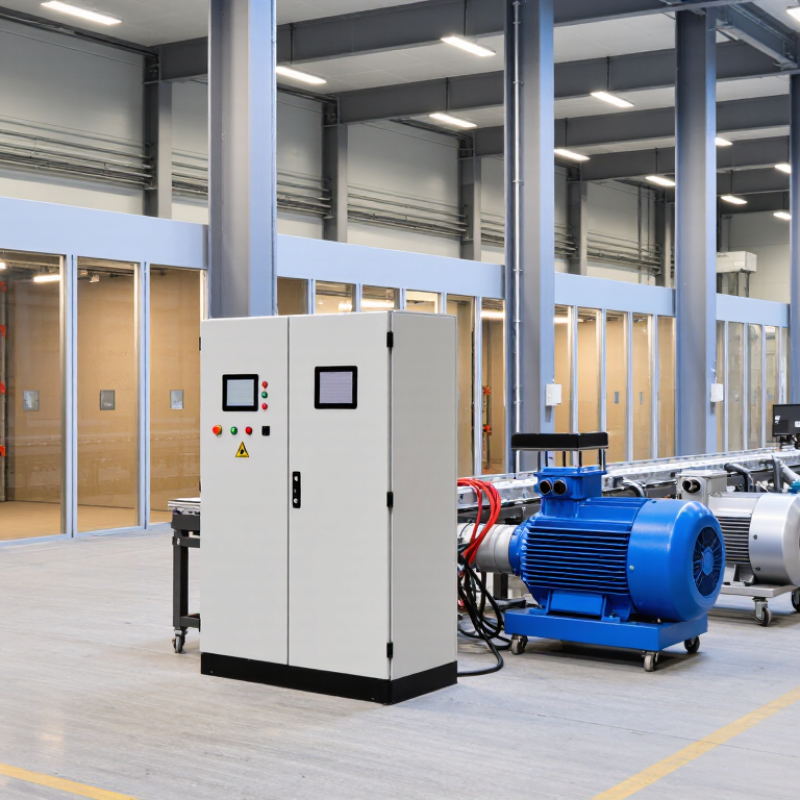
How to Choose an AC Electric Motor in 2026?

AC Motor Fundamentals and the Main Types Available in 2026

How to Choose an AC Electric Motor in 2026?

AC motors convert electrical energy into rotating mechanical force. Their basic parts include a stator, rotor, bearings, insulation, and a cooling system. The International Energy Agency reports that electric motor systems consume about half of global electricity. Small efficiency gains can therefore reduce serious operating costs.

The main choice is between induction, synchronous, and reluctance motors.

Induction motors are rugged, affordable, and suitable for pumps, fans, compressors, and conveyors. Synchronous motors maintain accurate speed and can improve power factor under steady loads. Reluctance motors offer high efficiency and simple rotor construction, but their control systems may cost more. The U.S. Department of Energy notes that motor-driven equipment uses roughly 70% of industrial electricity in the United States.

Match the motor to the load, not only the rated horsepower. Check starting torque, speed variation, duty cycle, ambient temperature, enclosure, and inverter compatibility. IEC 60034 efficiency classifications help compare performance under defined test conditions.

In field projects, oversized motors often run lightly loaded and waste energy. That mistake remains common. A variable-frequency drive can improve control, but it also requires attention to harmonics, bearing currents, and cooling at low speed. The perfect selection rarely exists. A realistic choice balances efficiency, service access, noise, purchase cost, and the consequences of failure.

Define the Required Power, Speed, Torque, and Duty Cycle

Choosing an AC electric motor starts with the machine’s real workload, not its largest possible load. Measure the required power during starting, normal operation, and peak resistance. A motor that only matches the average load may stall when a conveyor fills suddenly. Leave a practical margin, but avoid excessive oversizing. It can increase cost, current, and inefficient partial-load operation.

Speed must match the driven equipment. Check whether the motor connects directly or through a gearbox, belt, or variable-speed drive. Torque is equally important, especially during acceleration. Use this relationship: Power in kilowatts equals torque in newton-metres multiplied by speed in rpm, divided by 9,550. Small calculation errors matter. My first sizing estimate once ignored startup torque, and the motor struggled under a loaded drum.

Duty cycle describes how long the motor runs and how often it stops. Continuous duty differs greatly from short, repeated cycles. Record running time, rest time, starts per hour, ambient temperature, and load changes. Then compare these conditions with the motor’s rated duty, insulation system, enclosure, and cooling method. A dusty room may require stronger protection. A hot cabinet may reduce available output. Verify voltage, frequency, phase, and overload requirements against applicable electrical standards. Recheck the figures with measured data, because assumptions often look precise while remaining wrong.

Match Voltage, Phase, Frequency, and Control System Requirements

How to Choose an AC Electric Motor in 2026?

Choosing an AC electric motor starts with four facts: voltage, phase, frequency, and control requirements. Do not guess from the motor’s appearance. Read the nameplate and compare it with the available supply. A 230-volt motor may fail on a 400-volt system without proper configuration. Single-phase and three-phase motors also behave differently under load. Frequency affects speed, cooling, and torque. Small mismatches matter. Confirm the rated voltage, connection method, and frequency before ordering.

Control design deserves equal attention. A direct-on-line starter suits simple, steady applications, while a variable-frequency drive can adjust speed and reduce mechanical shock. However, the motor and drive must share compatible voltage, current, frequency, and protection settings. Sensors may also be required for pressure, temperature, or position feedback. Control compatibility is often overlooked. I once saw a selection based only on horsepower; the motor worked, but its starting current disturbed nearby equipment. That was a useful mistake.

Tips: Record the supply voltage at the installation point, not only from old drawings. Check phase availability and expected load cycles. Ask a qualified electrician to verify wiring, grounding, overload protection, and local electrical-code requirements. Leave room for voltage variation and future control changes. If the application has frequent starts, high inertia, or wet conditions, request a duty-rated motor. A careful comparison sheet can prevent an expensive replacement.

How to Choose an AC Electric Motor in 2026? - Match Voltage, Phase, Frequency, and Control System Requirements

Selection Dimension Common Requirement Typical Motor Specification Control Compatibility Best-Fit Applications Important Selection Check
Supply voltage 115/230 V 208–230/460 V 380–415 V 575 V Select a motor whose rated voltage matches the measured system voltage and the nameplate connection. Dual-voltage motors must be wired according to the manufacturer’s connection diagram. Direct-on-line starters, soft starters, and variable-frequency drives must be rated for the same input voltage class as the motor and supply system. Commercial buildings, workshops, pumps, fans, compressors, conveyors, and general industrial machinery. Do not use voltage alone. Confirm allowable voltage tolerance, terminal connection, full-load current, and insulation requirements.
Number of phases Single-phase Three-phase Single-phase motors are commonly used at lower power ratings where only single-phase service is available. Three-phase motors provide smoother torque and are normally preferred for industrial loads. Three-phase motors work well with three-phase VFDs. Single-phase motors require a compatible starting method or a drive specifically designed for that motor type. Single-phase: small fans, pumps, tools, and appliances.
Three-phase: production equipment, HVAC systems, conveyors, compressors, and high-duty machinery.
Check whether the available supply has the required phase configuration. A standard three-phase motor should not be connected directly to a single-phase supply.
Operating frequency 50 Hz 60 Hz 50/60 Hz Frequency affects synchronous speed. For example, a four-pole motor has a synchronous speed of 1,500 rpm at 50 Hz and 1,800 rpm at 60 Hz; actual speed is lower because of slip. A VFD can vary operating frequency within the motor’s approved range, but maximum speed, cooling, bearings, and mechanical limits must be verified. Constant-speed pumps, fans, machine tools, compressors, mixers, and variable-speed process equipment. Confirm the local grid frequency and whether the driven equipment can tolerate the resulting speed and torque change.
Rated output power kW HP Choose output power from the calculated load demand, allowing appropriate starting and overload margin without substantially oversizing the motor. The starter or VFD must be selected using motor rated current and overload duty, not power rating alone. Applications with known shaft torque, speed, acceleration time, and duty-cycle requirements. Oversizing can reduce efficiency and power factor at light load; undersizing can cause overheating, nuisance trips, and premature insulation aging.
Motor speed and pole count 2-pole 4-pole 6-pole 8-pole Approximate synchronous speeds at 50/60 Hz:
2-pole: 3,000/3,600 rpm
4-pole: 1,500/1,800 rpm
6-pole: 1,000/1,200 rpm
8-pole: 750/900 rpm
VFD control allows adjustable speed, while a fixed-frequency starter operates near the motor’s rated speed. High-speed fans and pumps, standard conveyors, low-speed mixers, hoists, and high-torque machinery. Actual induction-motor speed is below synchronous speed. Check required shaft speed, gear ratio, torque curve, and allowable overspeed.
Starting method Direct-on-line Star-delta Soft starter VFD Direct-on-line provides full-line starting voltage. Star-delta reduces starting current and starting torque. Soft starters provide controlled voltage ramping. VFDs control both frequency and voltage. Select the method according to starting current limits, available torque, acceleration time, and required operating-speed control. Direct-on-line: small or stiff supplies.
Soft starter: pumps and fans.
VFD: conveyors, mixers, process lines, and variable-speed loads.
Starting current for a standard induction motor can be several times full-load current with direct-on-line starting. Confirm the power system can support it.
Control requirement Fixed speed Variable speed Constant torque Variable torque Fixed-speed loads can use a starter. Variable-speed loads generally require a VFD with suitable speed feedback, acceleration, deceleration, and current-limit settings. Fans and centrifugal pumps typically follow variable-torque duty. Conveyors, hoists, extruders, and compressors may require constant-torque or heavy-duty VFD ratings. HVAC airflow control, water pumping, material handling, machine tools, and process automation. Match the drive’s overload capability and control mode to the load. Braking resistors or regenerative equipment may be required for rapid deceleration or overrunning loads.
Duty cycle Continuous duty Intermittent duty Frequent starts Continuous-duty motors are intended to operate at rated load under defined conditions. Frequent starts, plugging, reversing, or high-inertia acceleration require additional thermal evaluation. The starter or VFD must support the required starting frequency, overload duration, and acceleration time. Continuous pumps and fans, cyclic conveyors, indexing equipment, cranes, and reciprocating machinery. Evaluate starts per hour, load profile, ambient temperature, acceleration time, and motor thermal capacity.
Enclosure and cooling Open drip-proof Totally enclosed fan-cooled Washdown duty Open enclosures suit clean, dry locations. Totally enclosed fan-cooled designs provide better protection from dust and moisture. Washdown designs are intended for regular water or cleaning exposure. At low VFD speeds, a shaft-mounted fan may provide less cooling. Verify motor temperature limits or use separately powered ventilation when required. Indoor machinery, dusty workshops, outdoor equipment, food-processing areas, and wet or corrosive locations. Select protection based on dust, water, chemicals, washdown procedures, and ventilation conditions. Enclosure ratings must suit the installation environment.
Insulation and VFD suitability Standard inverter duty Reinforced insulation Long-cable installation Fast voltage pulses from a VFD can increase winding stress, especially with long motor cables. The motor and drive combination must be approved for the intended application. Use correct carrier frequency, cable length limits, grounding, shielding, and output filtering where required by the installation design. Adjustable-speed pumps, fans, conveyors, machine tools, and automated production systems. Check motor insulation system, cable length, common-mode voltage, bearing-current mitigation, and electromagnetic compatibility requirements.
Installation environment Indoor Outdoor High altitude Hot ambient Hazardous area Temperature, altitude, dust, moisture, corrosive substances, and hazardous gases can affect cooling, insulation, enclosure selection, and permissible load. Controllers, cable glands, disconnects, and protective devices must have environmental ratings compatible with the motor installation. General industrial facilities, rooftop HVAC equipment, outdoor pumps, mining areas, and process plants. Derating may be required above the motor’s reference ambient temperature or at high altitude. Hazardous locations require specifically certified equipment.
Protection and monitoring Overload relay Short-circuit protection Thermal sensors Phase-loss protection Motor protection should address overload, short circuit, locked rotor, phase loss, phase imbalance, overtemperature, and abnormal operating conditions. Modern drives can provide electronic overload, current, voltage, temperature, stall, and ground-fault monitoring, but settings must match the motor data. All motor-driven equipment, particularly unattended, high-inertia, or critical-process machinery. Set protection using nameplate current, service factor, ambient conditions, starting behavior, and applicable electrical codes.
Efficiency and operating cost Rated-load efficiency Part-load performance Power factor Compare efficiency at the expected load profile rather than only at rated load. Motors operating far below their rated load may deliver less favorable energy performance. A properly configured VFD can reduce energy use on variable-torque loads by reducing speed, but it also introduces drive losses and harmonic considerations. Pumps, fans, air-handling systems, compressors, and equipment with long annual operating hours. Estimate annual energy consumption, operating hours, load variation, maintenance, and the effect of speed control before choosing the motor size and control method.
Practical selection sequence: Measure the available voltage, phase, and frequency; calculate the driven load’s torque and speed requirements; select the motor enclosure and duty rating; then match the starter or VFD using rated current, overload capacity, environmental conditions, and applicable electrical standards.

Evaluate Efficiency, Installation Conditions, Maintenance, and Safety

How to Choose an AC Electric Motor in 2026?

Choosing an AC electric motor starts with the working conditions, not the catalog rating. Match the motor’s output, voltage, frequency, and load pattern to the equipment. A motor running at partial load may waste energy, even when its nameplate looks impressive. Check efficiency across the expected operating range. Measure actual current during startup and normal operation when possible. Small field measurements often reveal large selection mistakes.

Installation conditions deserve equal attention. In a dusty workshop, choose suitable enclosure protection and prevent debris from blocking cooling paths. For humid areas, inspect insulation ratings and condensation risks. Confirm mounting dimensions, shaft alignment, cable routing, and available ventilation before ordering. I once saw a replacement motor fail early because the fan faced a hot wall. The specification was correct. The installation was not.

Maintenance should be practical, not theoretical. Leave enough space for bearing checks, terminal inspection, and cleaning. Record vibration, temperature, and current readings at regular intervals. A rising temperature may indicate overload, poor alignment, or blocked airflow. Do not ignore unusual noise. Safety depends on more than guards. Use approved isolation procedures, verify the circuit is de-energized, and ensure protective devices match the motor and supply. Local electrical requirements still apply. One detail remains easy to overlook: maintenance access. A motor that cannot be safely inspected will eventually be neglected.

How to Choose an AC Electric Motor in 2026?

Efficiency is a key selection factor, but the motor must also match the installation environment, maintenance plan, and safety requirements. The chart shows typical full-load efficiency values for a 15 kW, four-pole, 50 Hz three-phase induction motor according to IEC efficiency classes.

Installation Conditions

Select the enclosure according to dust, moisture, ambient temperature, altitude, and ventilation. IP55 is commonly used for general industrial areas exposed to dust and water jets.

Maintenance

Check vibration, temperature, insulation resistance, alignment, and bearing condition. Lubrication intervals should follow the motor manufacturer's service instructions and operating load.

Safety

Use correct grounding, overload protection, isolation procedures, and suitable insulation. Class F insulation has a 155°C thermal rating, while Class H has a 180°C thermal rating.

Reference: IEC 60034-30-1 efficiency classes for AC motors. Actual efficiency depends on motor design, supply frequency, voltage, load, temperature, and operating conditions.

Compare Total Cost, Smart Features, and Long-Term Motor Reliability

How to Choose an AC Electric Motor in 2026?

The purchase price rarely shows an AC motor’s true cost. Compare energy use, installation labor, controls, maintenance, and expected downtime. A slightly expensive motor may reduce monthly consumption in a heavily used pump or conveyor. Ask for efficiency data at your actual load, not only at full capacity. Smart features can help, too. Temperature sensors, vibration monitoring, and remote alerts reveal developing faults before a hot bearing stops production. Useful data matters more than a crowded control panel.

Long-term reliability depends on fit, protection, and maintenance quality. Check the enclosure rating, insulation system, operating temperature, and starting frequency. Confirm that the motor matches the driven equipment’s torque requirements. Keep service records and review alarm trends regularly. In field assessments, small alignment errors often create larger problems than expected. I have seen teams overvalue advanced monitoring while ignoring poor ventilation. That choice needs reflection. Fancy features cannot repair an unsuitable installation. Choose a motor with accessible parts, clear documentation, and dependable technical support.

Tips: Calculate total cost over five to ten years. Measure twice. Compare warranty conditions, sensor compatibility, spare-part access, and technician training. Leave room for uncertainty, because real loads rarely match the original estimate. Review the selection with an electrical professional before installation.

FAQS

Which electrical details should I check before choosing an AC motor?

Confirm voltage, phase, frequency, connection method, and control requirements. Read the nameplate carefully. Do not judge by appearance.

Why does voltage matching matter?

A motor rated for 230 volts may fail on a 400-volt supply. Check voltage at the installation point. Old drawings may be inaccurate.

How do single-phase and three-phase motors differ?

They respond differently under load and during starting. Confirm which phases are available before ordering. Small mismatches can cause trouble.

When is a variable-frequency drive useful?

It can adjust speed and reduce mechanical shock. The motor and drive need compatible voltage, current, frequency, and protection settings.

What control details are often overlooked?

Sensors may monitor pressure, temperature, or position. Starting current can disturb nearby equipment. Horsepower alone is not enough.

How can I compare the motor’s real cost?

Include energy use, installation labor, controls, maintenance, and downtime. A higher purchase price may reduce monthly energy costs.

Which physical features support long-term reliability?

Check enclosure rating, insulation, operating temperature, and starting frequency. Confirm the motor matches the equipment’s torque needs.

Are smart monitoring features always worthwhile?

Temperature and vibration sensors can reveal faults early. Still, poor ventilation can damage a motor. Fancy features cannot fix bad installation.

What should I check before installation?

Verify wiring, grounding, overload protection, and local electrical requirements with a qualified electrician. Review warranty terms and spare-part access.

How should I plan for uncertain operating conditions?

Calculate costs over five to ten years. Allow for voltage variation and future control changes. Real loads rarely match the original estimate.

Conclusion

Choosing an Ac Electric Motor in 2026 requires more than selecting a power rating. Start by understanding the main motor types and identifying the application’s required power, operating speed, torque, starting demands, and duty cycle. These factors help ensure the motor can perform reliably under normal and peak loads without unnecessary energy use or premature wear.

Next, confirm compatibility with the available voltage, phase, frequency, and control system, including variable-speed or automated operation where needed. Installation conditions such as temperature, humidity, dust, ventilation, mounting position, and available space should also guide the selection. Consider efficiency, maintenance access, safety protections, noise, and expected service life. Finally, compare the total cost of ownership rather than only the purchase price, taking energy consumption, maintenance, smart monitoring features, downtime risks, and long-term reliability into account. A well-matched motor can improve operating efficiency, simplify maintenance, and provide dependable performance throughout its service life.

Sienna

Sienna

Sienna is a skilled marketing professional with a deep expertise in our company’s core products and services. With a passion for innovation and detail, she plays a pivotal role in crafting insightful blog posts that not only highlight the unique features of our offerings but also provide valuable......