
Sunvim Motor Sunvim Motor

2026 Top Three Phase Asynchronous Motor Buying Guide?

Time:2026-05-31 Author:Sienna
0%

When it comes to the industrial sector, few components are as pivotal as the Three Phase Asynchronous Motor. This motor type is renowned for its reliability and efficiency. However, selecting the right one can be daunting for many buyers. The market is flooded with options, each with unique specifications and features. Understanding these differences is crucial.

The effectiveness of a three-phase asynchronous motor hinges on various factors, such as its power rating and efficiency class. These elements can influence operational costs. Buyers should also consider the motor's application. Choosing the wrong model may lead to suboptimal performance or increased energy consumption. It's essential to evaluate each option carefully.

Navigating the complexities of purchasing a three-phase asynchronous motor requires expertise. Familiarity with industry standards can enhance decision-making. Additionally, leveraging manufacturer recommendations can be beneficial. As you delve into this buying guide, keep in mind the critical balance between budget constraints and performance needs. Making informed choices today will pay off in the long run.
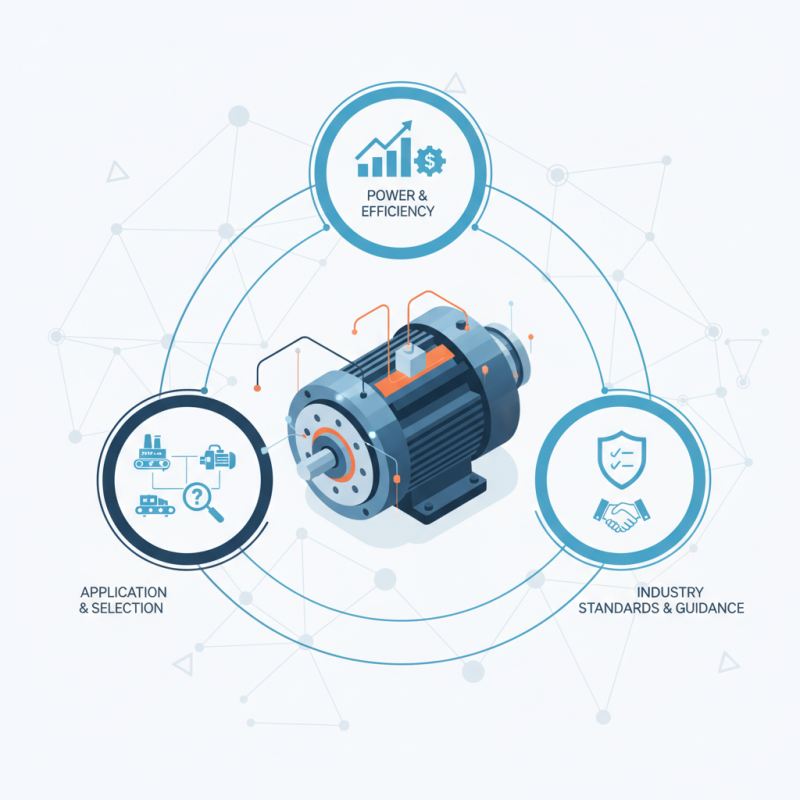
2026 Top Three Phase Asynchronous Motor Buying Guide?

Understanding Three Phase Asynchronous Motors: Key Features and Types

Three-phase asynchronous motors are widely used in various industrial applications. Understanding their key features and types is crucial for making informed decisions. These motors operate using a rotating magnetic field, providing efficient performance. They are known for their robustness and reliability. The absence of brushes leads to reduced maintenance costs.

There are different types of three-phase asynchronous motors. The squirrel cage motor is the most common choice. It offers simplicity and durability. Slip ring motors provide better control at low speeds, ideal for specific applications. Each type has its own advantages and drawbacks. It is essential to assess the intended use before making a selection.

**Tips:** When choosing a motor, consider the operating environment. Check for temperature variations and humidity levels. Ensure the motor meets efficiency standards to save on energy costs. Also, consult with experts for insights. Their experience can guide your decision. Don't overlook the importance of reliable suppliers. Quality often reflects in the performance of these motors.

2026 Top Three Phase Asynchronous Motor Buying Guide

Key Features Types Power Range (kW) Efficiency Class Typical Applications
Durable, high starting torque Squirrel Cage 0.75 - 500 IE2 Pumps, Fans, Compressors
Variable speed operation, high reliability Wound Rotor 5 - 2000 IE3 Crushers, Mixers
Low noise operation, compact size Permanent Magnet 1 - 500 IE4 Elevators, Conveyors

Industry Trends: The Growing Demand for Asynchronous Motors in 2026

The demand for asynchronous motors is growing rapidly in 2026. As industries evolve, these motors play a crucial role in automation. Their efficiency and reliability make them a popular choice. In manufacturing, they power various machinery, reducing operational costs. With advancing technology, these motors are becoming more versatile.

Tips: When choosing a motor, consider its efficiency rating. Higher efficiency leads to lower energy costs. Ensure the motor meets your application requirements for optimal performance.

The global shift towards sustainability drives the use of asynchronous motors. Many companies aim to reduce their carbon footprint. These motors often require less maintenance, which saves time. However, not all motors fit every application. Selecting the wrong motor can lead to inefficiencies and higher costs.

Tips: Investigate different motor types and their specifications. Analyze your specific needs before purchasing. Don't hesitate to consult with experts for valuable insights.

Technical Specifications: Essential Metrics for Evaluating Motor Performance

When evaluating the performance of a three-phase asynchronous motor, understanding technical specifications is crucial. Key metrics include efficiency, power factor, and torque characteristics. A recent industry report indicates that high-efficiency motors can achieve efficiency levels of 94% or more, impacting energy costs significantly. Industries that adopt these motors may save up to 30% on operational costs over their lifespan.

Power factor is another critical measurement, typically ranging between 0.7 to 0.95 for asynchronous motors. A higher power factor indicates better performance and less wasted energy. However, maintaining a high power factor can be challenging. Environmental conditions and loading can cause fluctuations. Additional equipment may be needed to correct low power factors, adding to initial costs.

Torque characteristics are essential for applications requiring consistent performance. It is vital to know the starting and rated torque to ensure compatibility with operational needs. Continuous torque ratings may shift across different load conditions, leading to overloading or underperformance. Understanding these aspects helps identify the most suitable motor for specific applications. Each of these metrics serves as a benchmark for making informed purchasing decisions.

2026 Top Three Phase Asynchronous Motor Performance Comparison

Comparison of Leading Brands: Market Shares and Customer Reviews in 2026

In 2026, the market for three-phase asynchronous motors has shown significant growth. Recent reports indicate a 15% increase in market share for leading brands, fueled by advances in efficiency and technology. Customer reviews indicate that energy consumption remains a top priority for buyers. Many customers are particularly focused on the performance during peak loads.

Market analysis reveals that reliability plays a crucial role in customer satisfaction. Over 70% of users prioritize durability and minimal maintenance costs when selecting an asynchronous motor. Moreover, some reviews point out that while many motors are efficient, they struggle with noise levels. This has created a dialogue among users about the need for quieter options.

It's noteworthy that while some brands dominate, several smaller manufacturers are gaining traction with innovative solutions. Customers appreciate personalized service and technical support, which larger brands often overlook. As this segment evolves, innovative features like smart control systems are emerging, offering user-friendly interactions. However, product complexity can lead to confusion for some buyers. Balancing efficiency with user adaptability remains a key challenge in this space.

Energy Efficiency Standards: Understanding IEC and NEMA Regulations for Motors

When selecting a three-phase asynchronous motor, understanding energy efficiency standards is crucial. The International Electrotechnical Commission (IEC) and the National Electrical Manufacturers Association (NEMA) provide frameworks that help evaluate motor performance. IEC standards focus on global efficiency ratings, while NEMA standards cater to North American applications. Knowing these helps engineers and buyers make informed decisions.

Considering energy efficiency can reduce operational costs. IEC metrics like IE3 and IE4 indicate high efficiency. However, achieving these standards isn't easy. Some motors may not meet these ratings, leading to missed opportunities for energy savings. NEMA’s efficiency classes range from NEMA Premium to Standard. These classifications impact both performance and energy consumption.

As technology evolves, manufacturers face challenges in meeting these standards. Continuous improvements are necessary. Buyers should reflect on their choices and the long-term impact of their motor selections. It's essential to prioritize reliable information from reputable sources when navigating these standards. Balancing efficiency with cost is complicated but vital for sustainable operations.

FAQS

: What are the main features of three-phase asynchronous motors?

: They operate using a rotating magnetic field, providing efficient performance. They are robust and reliable, requiring less maintenance.

What types of three-phase asynchronous motors are available?

The most common type is the squirrel cage motor, known for its simplicity. Slip ring motors offer better control at low speeds for specific needs.

How important are technical specifications for motor performance?

Technical specifications, like efficiency and power factor, are crucial. They help determine the suitable motor for specific applications.

What efficiency levels should I expect from high-efficiency motors?

Some motors can achieve efficiency levels of 94% or more. This can lead to significant energy savings over time.

Why is the power factor important in motor performance?

A higher power factor indicates better performance with less energy waste. Maintaining it can be challenging due to operational conditions.

What should I consider when evaluating torque characteristics?

Know the starting and rated torque to ensure compatibility. Torque ratings can vary with load, affecting performance consistency.

How does customer feedback influence motor selection?

Many users prioritize reliability and durability based on reviews. Noise levels also concern buyers, leading to discussions about quieter options.

Are smaller manufacturers competitive in the market?

Yes, some smaller brands are gaining attention with innovative solutions and personalized service, appealing to customers seeking support.

What challenges do buyers face with advanced motor features?

The complexity of smart control systems may confuse some users. Balancing efficiency with user-friendliness is increasingly important.

How can environmental conditions affect motor performance?

Changes in temperature and humidity can impact the power factor, requiring additional equipment to maintain efficiency.

Conclusion

The "2026 Top Three Phase Asynchronous Motor Buying Guide" provides essential insights into selecting the right motor for various applications. It starts by exploring the fundamental characteristics and types of three phase asynchronous motors, highlighting their functionality and versatility in different industrial settings. As demand for these motors increases in 2026, understanding industry trends is crucial for making informed purchasing decisions.

The guide further delves into key technical specifications that are vital for assessing motor performance, allowing buyers to evaluate their options effectively. Additionally, it compares leading brands based on market share and customer reviews from 2026, providing a comprehensive overview of available choices. Finally, it outlines important energy efficiency standards, focusing on IEC and NEMA regulations, which are essential for ensuring compliance and optimal performance in today's environmentally conscious marketplace.

Sienna

Sienna

Sienna is a skilled marketing professional with a deep expertise in our company’s core products and services. With a passion for innovation and detail, she plays a pivotal role in crafting insightful blog posts that not only highlight the unique features of our offerings but also provide valuable......